UK Replaces Type 83 Destroyer Program with Six Drone-Command Vessels
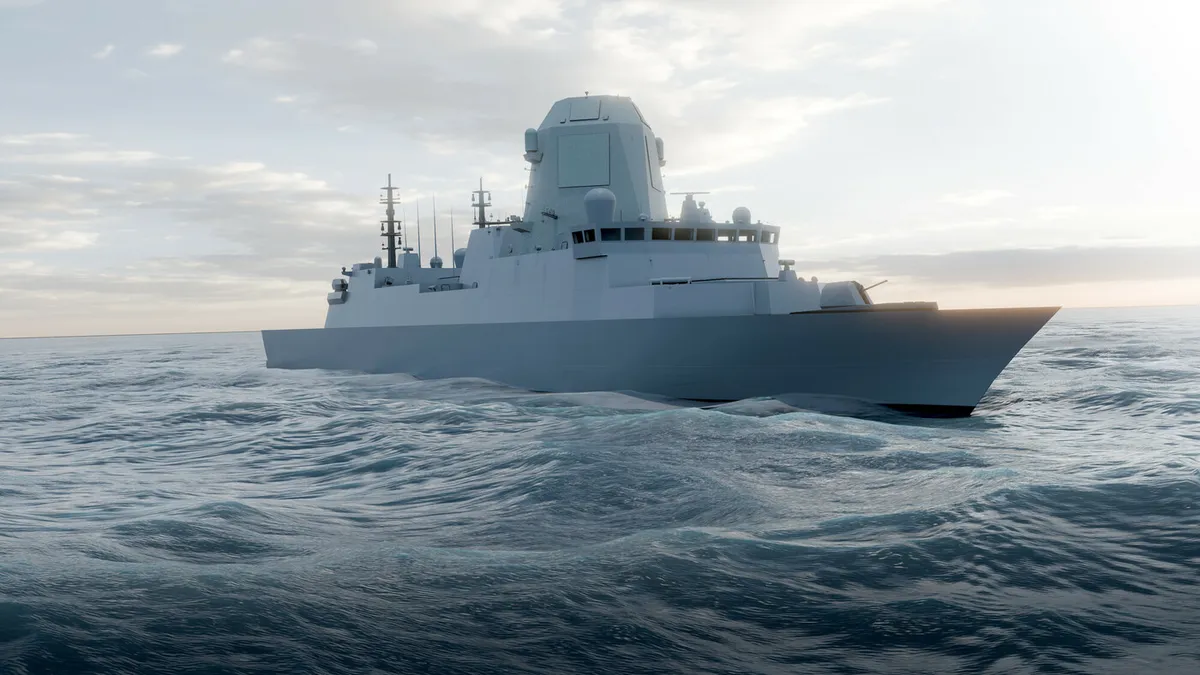
If the six vessels are a budget-neutral swap for the Type 83, the Royal Navy is accepting a smaller force (6 command ships vs. 3-4 Type 83s) in exchange for drone integration. That math only works if drone swarms substitute for traditional firepower — a doctrine shift that NATO allies (France, Germany, Spain) have not yet committed to operationally.
If the Common Combat Vessels are additive spending, the UK is attempting to build drone command infrastructure without retiring legacy surface combatants, which creates a manning and maintenance crisis by 2029-2030. Either way, this exposes a hard constraint: the UK cannot afford both traditional frigate/destroyer modernization AND drone fleet infrastructure simultaneously.
Royal Navy surface combatant doctrine just pivoted away from the destroyer-centric model that has defined Western naval force design for 40 years.
This forces BAE Systems, Babcock, and Rolls-Royce to reorient production lines and engineering teams from Type 83 development (which has consumed 8+ years of concept work) toward a vessel class that does not yet have a detailed design, a production schedule, or a confirmed budget line.
The Defence Investment Plan is long-delayed — the fact that it landed with a destroyer cancellation rather than an acceleration suggests budget pressure forced the choice, not capability innovation. Watch the Q3 2026 defence industry earnings calls for BAE Systems and Babcock to quantify the cost of design pivot and any writedowns on Type 83 sunk costs.
What is the actual cost estimate for the six Common Combat Vessels, and does it come from the same budget envelope that would have funded the Type 83, or is this a net addition to the naval equipment budget?
Fault Lines
Strategic intelligence, synthesized daily — with a public track record. Every call graded against what actually happened.