South Sudan Citizens Fighting for RSF in Sudan Border Conflict
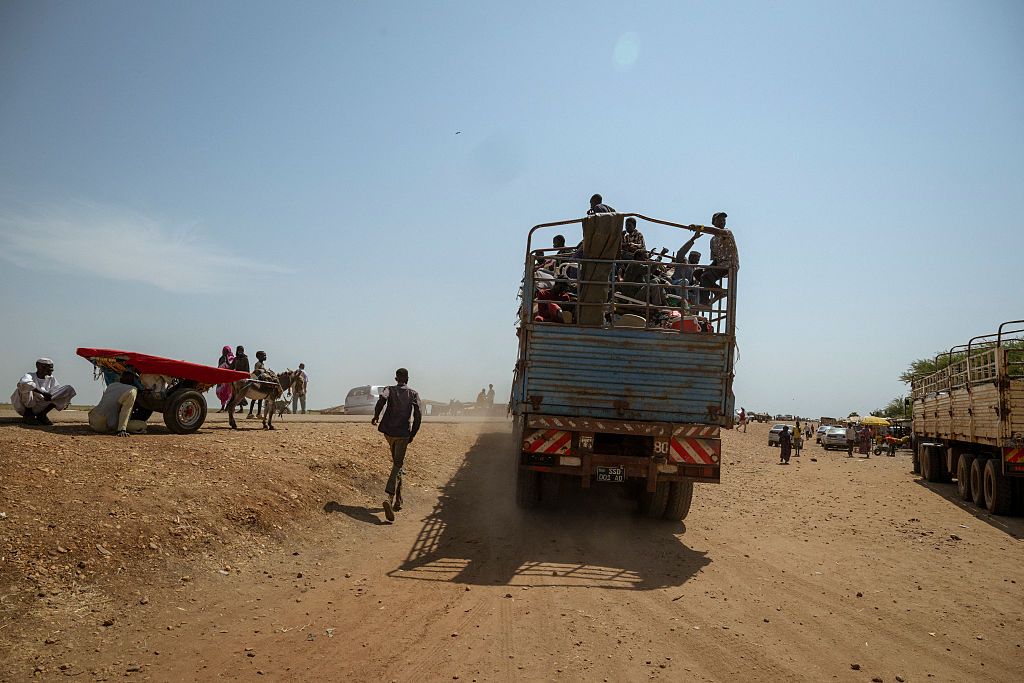
South Sudan's military weakness and chronic instability create recruitment pools for armed groups operating across the Sudan border.
If the RSF (or SAF) systematizes recruitment of South Sudanese fighters, it extends the Sudan conflict into a neighboring state already struggling with fragmentation, complicating U.S. counterterrorism priorities in the Horn and potentially forcing South Sudan to respond militarily to protect territory or citizens—risking a two-front regional conflict.
Conversely, if SAF uses captured South Sudanese fighters as leverage to extract concessions from Juba or extract intelligence, it creates a new coercion vector against a state the U.S. considers a stabilization partner.
This incident documents direct foreign recruitment into Sudan's civil war and raises the risk of South Sudan being drawn into the conflict through proxy involvement or retaliation.
If recruitment scales or becomes systematic, it could destabilize South Sudan's already fragile security environment and complicate U.S. and regional counterterrorism operations in East Africa.
The critical unknown is whether these 10+ fighters represent isolated recruitment or an organized flow—a distinction that determines whether this remains a localized incident or signals emerging transnational mercenary networks in the region.
The article does not specify how many South Sudanese nationals are estimated to be fighting for the RSF overall, whether recruitment is state-sponsored or ad-hoc, or what SAF intends to do with the captured fighters—all factors that would clarify whether this is an isolated incident or a structural...
Fault Lines
Strategic intelligence, synthesized daily — with a public track record. Every call graded against what actually happened.