Togo Orders Four A-29 Super Tucano Aircraft for $82M to Counter Sahel Insurgency
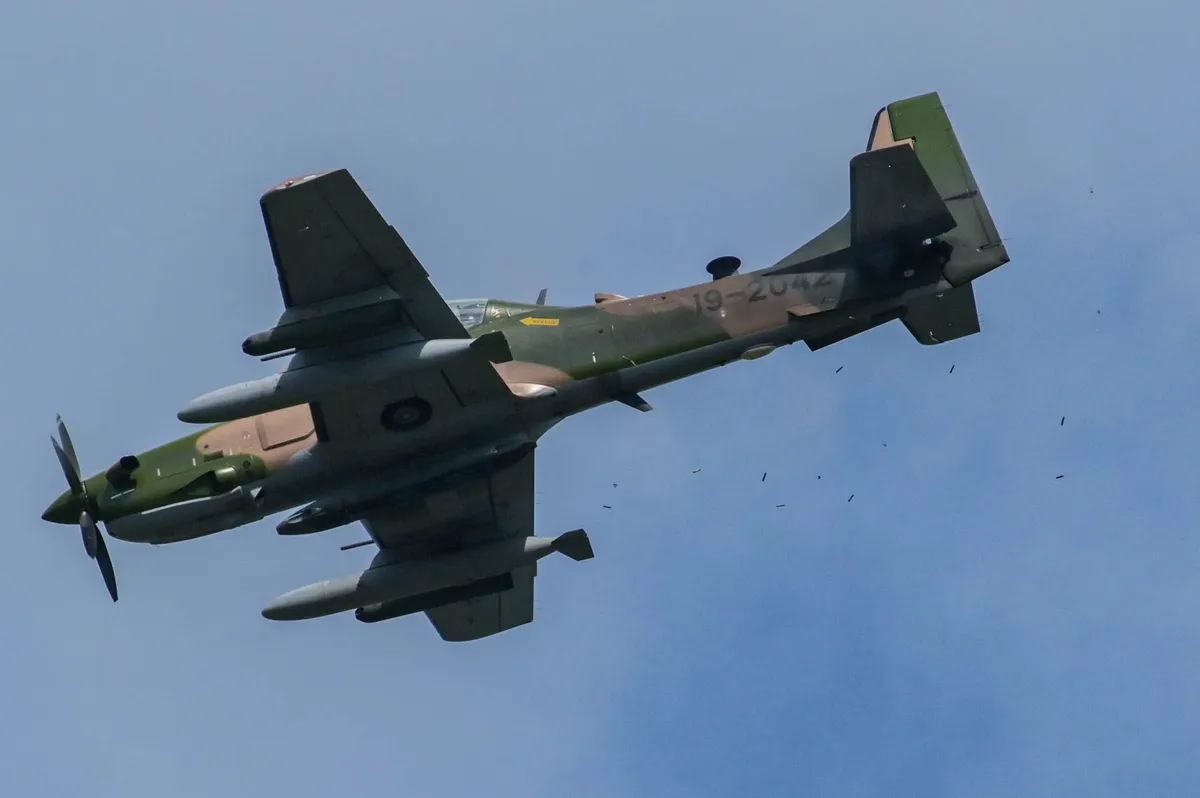
The Super Tucano is a proven platform in West African counterinsurgency (Burkina Faso, Mali, Niger all operate variants), so Togo's choice reflects operational reality rather than innovation.
The constraint is not aircraft availability but pilot retention and sustained maintenance — the graveyard of African air forces is full of aircraft that arrived intact but flew for 18 months before grounding due to parts shortages or attrition.
If Togo sustains operations, this becomes a data point in the broader pattern of U.S. and European counterterrorism support to Sahel states; if the aircraft sit idle within 24 months, it signals another failed capacity-building effort.
This is a straightforward capability acquisition with limited cross-domain impact — Togo is addressing a direct tactical problem (JNIM incursions) with a platform suited to low-intensity conflict.
The decision matters to Togo's defense ministry and the U.S. or European partners underwriting the sale, but it does not shift regional force balances or alliance architecture. Watch whether the aircraft actually arrive on schedule and whether Togo sustains pilot training and maintenance — African light attack acquisitions frequently stall after delivery.
Does the $82M figure include training, logistics, and spare-parts support, or just airframe cost? What is the financing source — U.S. FMF, European grant, or Togo's own budget?
Fault Lines
Strategic intelligence, synthesized daily — with a public track record. Every call graded against what actually happened.