Ukraine Naval Drones Strike Russian Shadow Fleet at Novorossiysk; Second Attack in Five Days
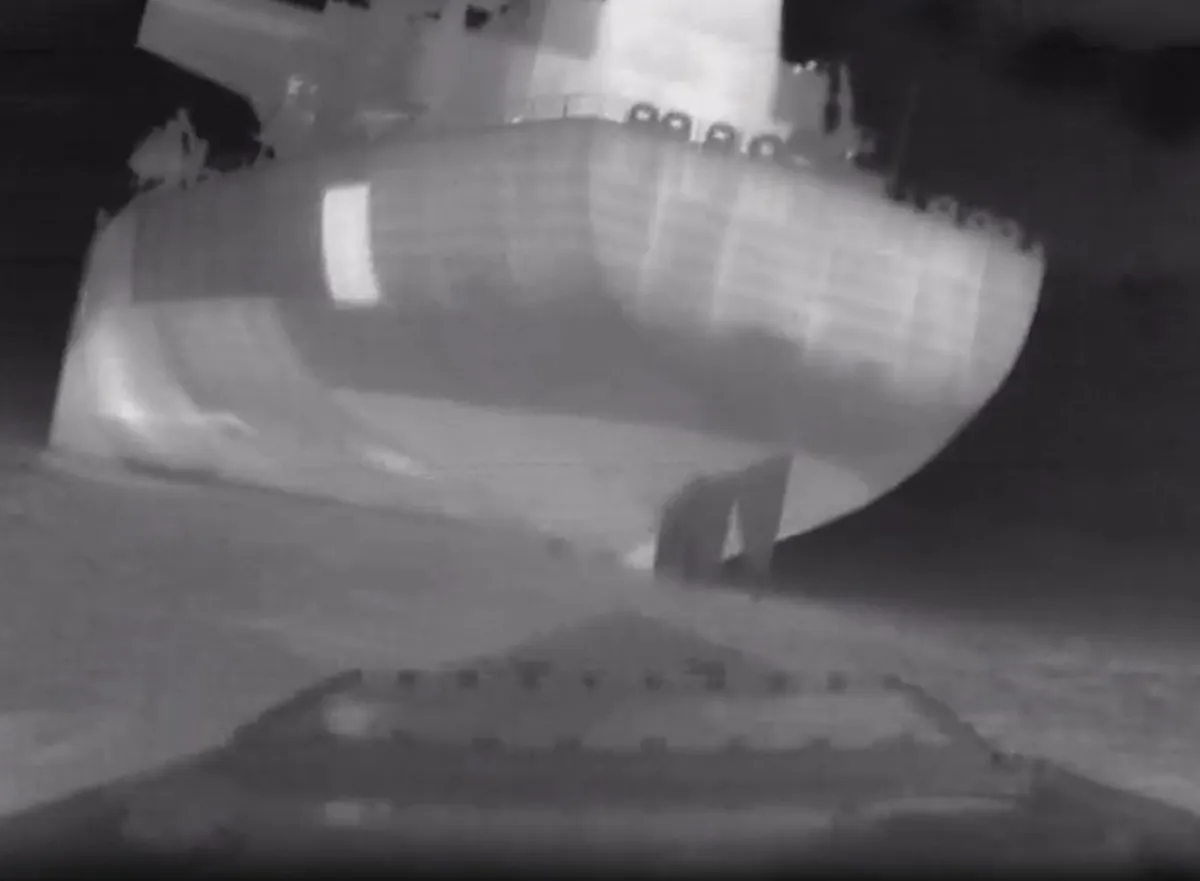
Ukraine's kinetic enforcement of sanctions compresses Russia's ability to monetize energy exports, directly reducing Moscow's war funding. If Russia loses 10-15% of shadow fleet capacity to drone strikes, it must either accept lower oil output or accept uninsured/higher-cost shipping — both scenarios cut revenue per barrel.
This feeds back into Russia's FYDP constraints: less energy export revenue means less hard currency for equipment procurement and ammunition production, which directly impacts the attrition rates Zelensky cited on May 2 (1,600 drones, 1,100 guided bombs weekly).
Ukraine is executing a direct counter-sanctions strategy against Russian energy revenues.
The shadow fleet exists precisely because Western sanctions on Russian crude exports lack enforcement mechanisms — Ukraine is filling that gap with kinetic action. If the strike rate sustains (two in five days = ~12 per month), Russian insurance and crew recruitment costs will spike, forcing more vessels into uninsured operations or complete withdrawal.
This doesn't break the blockade, but it raises the operational cost of sanctions evasion enough to compress Russia's oil export margins. Watch whether Western governments tacitly endorse this by continuing to supply Ukraine strike platforms.
Are these strikes coordinated with NATO intelligence (targeting data, vessel tracking), or is Ukraine conducting independent shadow fleet surveillance? The answer determines whether this is a proxy enforcement mechanism or opportunistic targeting.
Fault Lines
Strategic intelligence, synthesized daily — with a public track record. Every call graded against what actually happened.