AWS Data Center Strikes in Middle East Force Months of Repairs; Billing Halted
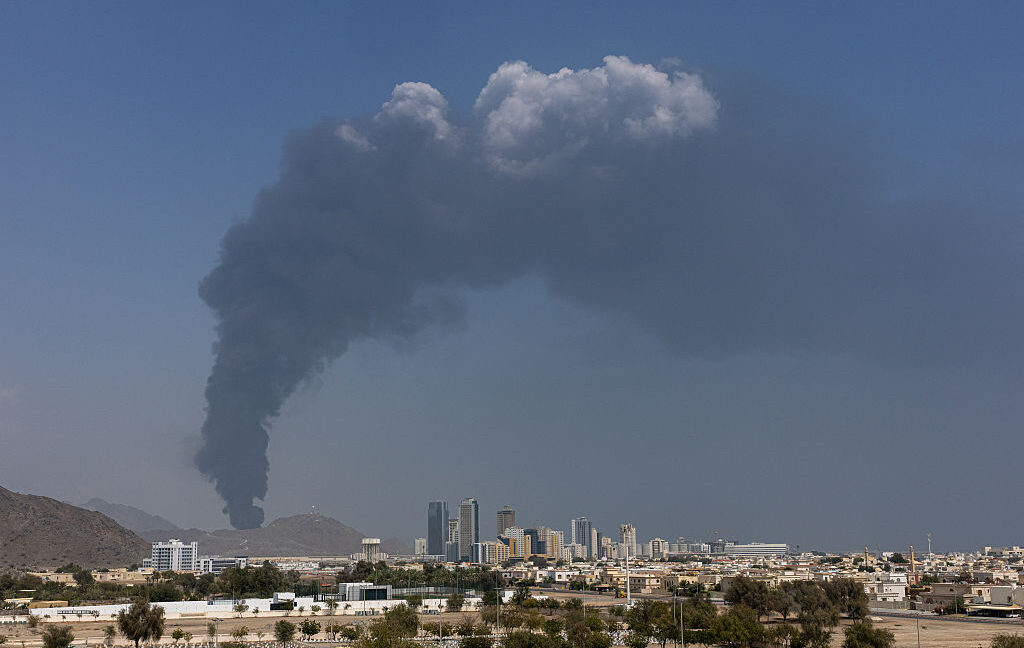
The destruction of commercial cloud infrastructure in an active conflict zone forces a reassessment of DoD's dependence on regional AWS facilities for non-classified mission support.
If AWS Middle East data centers supported allied or contractor logistics, communications, or supply chain visibility during the Iran blockade (which has already collapsed Hormuz shipping by 90%), their loss directly degrades force sustainment for the ongoing operation.
This also validates the Joint Chiefs' decision to deploy frontier AI firms on classified networks (announced May 1) — if commercial cloud is vulnerable to strikes, classified military AI must be air-gapped or hardened beyond what AWS commercial offerings provide.
This is the first reported direct impact on US commercial cloud infrastructure from the active Iran-Israel-US conflict.
AWS hosts classified and sensitive workloads for defense contractors, intelligence agencies, and allied governments — meaning physical destruction of data centers isn't merely a business problem, it's an operational security event.
If the struck facilities supported defense or intelligence customers, this creates an immediate gap in compute capacity that DoD and intelligence community will need to backfill through alternative providers or surge capacity at other AWS regions.
The billing suspension signals AWS is absorbing losses rather than passing them to customers, which suggests either contractual obligation or reputational concern — either way, a sign the damage is material. Watch whether this accelerates migration of classified workloads off commercial cloud and back to on-premises or government-operated infrastructure.
Which AWS regions were physically struck, and did any of them host classified DoD or intelligence workloads? The article doesn't specify, and that distinction determines whether this is a commercial problem or a national security gap.
Fault Lines
Strategic intelligence, synthesized daily — with a public track record. Every call graded against what actually happened.