Orban Veto Blocks EU Loan to Ukraine as Pipeline Dispute Escalates Energy Leverage
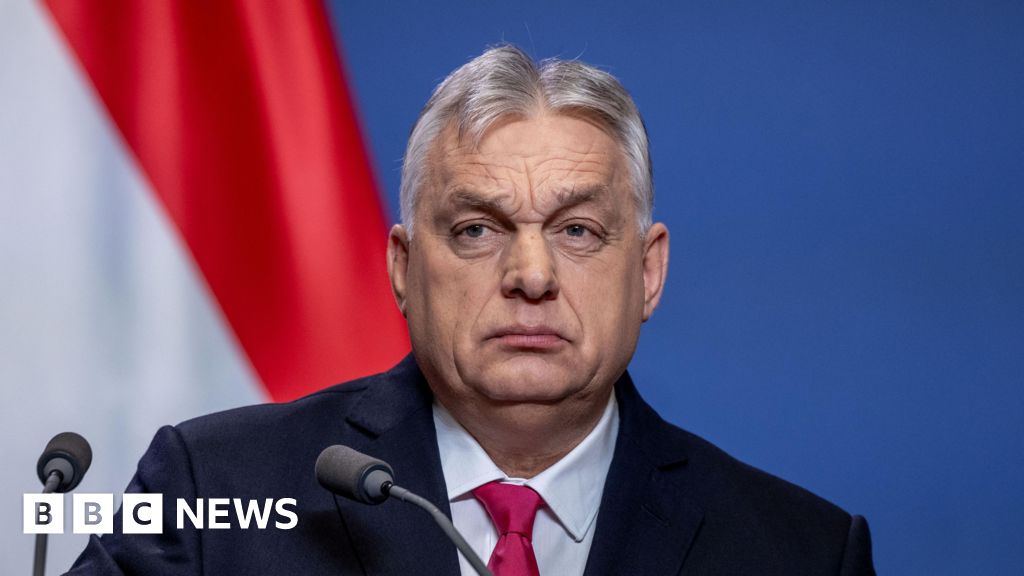
Hungary's veto converts energy infrastructure damage (a logistics problem) into a geopolitical leverage point by weaponizing EU financial governance. If Orban sustains this position, EU unanimity rules become a constraint on Ukraine's ability to finance its own defense industrial base, forcing Kyiv to rely more heavily on bilateral U.S. or allied support packages.
This shifts the burden of Ukraine's financial sustainability away from EU mechanisms and toward U.S. appropriations cycles, which introduces timing risk for multi-year defense contracts dependent on stable Ukrainian procurement authority.
Orban's veto demonstrates Hungary's willingness to weaponize EU financial mechanisms in response to energy disputes, not security concerns.
This directly constrains Ukraine's access to Western financial support during wartime and signals that EU unanimity requirements create leverage for members willing to defy consensus. For defense investors: this reduces predictability of allied support flows and increases the risk premium on Ukraine-facing contracts (e.g., ammunition, air defense sustainment) that depend on Kyiv's solvency.
The energy dispute itself is secondary; the structural exposure is Hungary's ability to block multilateral aid through a single veto. Watch whether other EU members challenge this precedent or accept it as normalized.
The article does not specify the scale of the vetoed loan, the timeline for the pipeline closure, or whether the oil blockade claim is independently verified or solely Orban's assertion.
Fault Lines
Strategic intelligence, synthesized daily — with a public track record. Every call graded against what actually happened.