Navy Awards MACE Hypersonic Contract to Castelion; IOC Targeted for 2027
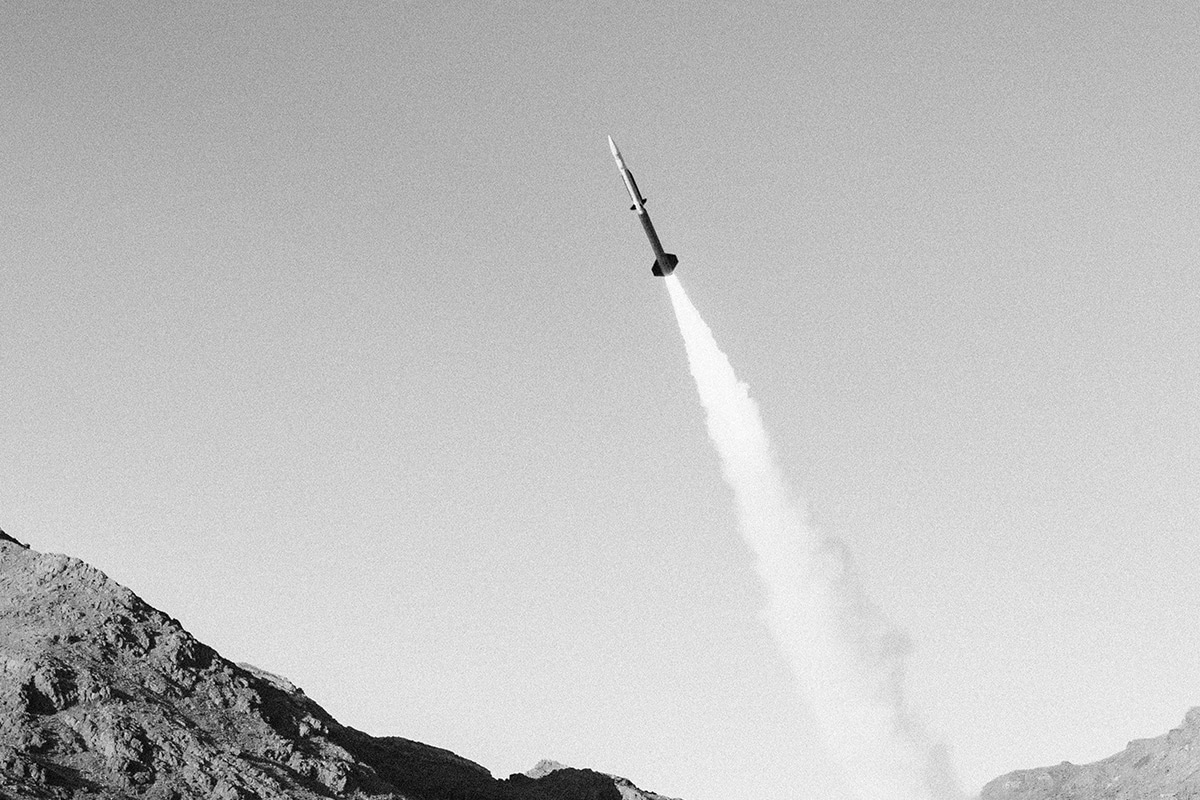
The MACE award accelerates the Navy's shift toward standoff strike as a substitute for air superiority in contested airspace — a direct response to PLA air defense density in the Taiwan Strait. If Castelion delivers on schedule, the Navy can equip carrier air wings with MACE-armed F/A-18s by 2028, extending strike range without requiring new platforms.
This compresses the timeline for allied air forces (Japan, Australia, South Korea) to field compatible weapons or interoperable targeting, creating a procurement bottleneck if Castelion cannot scale production beyond U.S. Navy demand.
This locks in a supplier and production ramp during a window when the Pentagon is explicitly prioritizing strike range and speed over cost control.
Castelion becomes the sole producer of the Navy's primary air-breathing hypersonic weapon through at least LRIP completion — a 5-7 year runway with minimal competition risk.
The 2027 IOC date is aggressive for a hypersonic platform; if Castelion slips even 12 months, it compresses the Navy's ability to deploy MACE-equipped aircraft during the Taiwan contingency window that Pacific Command is currently planning around (2027-2029 per recent force posture documents).
This also signals that the 42% defense budget increase is flowing directly into munition capacity, not platform development — the Navy is betting on existing airframes (F/A-18, P-8) carrying new standoff weapons rather than waiting for NGAD or other next-gen platforms.
Does the 2027 IOC apply to production aircraft or a limited test squadron? If it's the latter, when does the Navy expect fleet-wide availability — and does that slip past the assumed Taiwan planning horizon?
Fault Lines
Strategic intelligence, synthesized daily — with a public track record. Every call graded against what actually happened.