Ukraine Air Defense Downs 95 of 101 Russian Drones in Single Night; Interception Rate Holds Above 90%
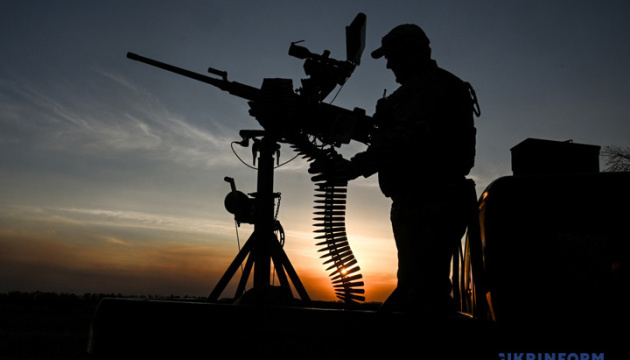
Russia is testing the sustainability threshold of Ukrainian air defense, not trying to penetrate it. If Moscow can force Ukraine to consume 95+ interceptors per night while launching only 101 drones, the math becomes: 95 interceptors × 30 nights = 2,850 interceptors per month. US and allied air defense shipments (Patriot, HAWK, Gepard, Tor) have historically delivered 1,200-1,800 units per month to Ukraine.
If that gap widens — or if Russia escalates to 150+ drones nightly — Ukraine's intercept rate will drop below 80% by autumn, opening a window for Russian air strikes on logistics hubs and repair facilities that have been largely untouchable. Raytheon and MBDA are the binding constraint, not Ukrainian tactics.
This interception rate matters because it directly constrains Russia's ability to degrade Ukrainian air defense through attrition.
If Ukraine sustains 90%+ intercept rates on drone swarms, Russia must either accept that drone strikes are becoming tactically inefficient (requiring 10+ sorties to achieve one penetration), or shift to saturation attacks that exhaust Ukrainian air defense ammunition faster than it can be resupplied. The second option is the binding constraint: Ukraine's air defense ammunition consumption rate.
If Russia is launching 100+ drones per night and losing 95 of them, Ukraine is burning through interceptor stockpiles at a pace that outstrips current Western resupply. Watch whether NATO air defense deliveries accelerate in July-August 2026 — if they don't, Ukraine's 90%+ intercept rate will degrade by Q4 2026 as ammunition reserves hollow out.
What is Ukraine's current air defense ammunition inventory, and at what monthly consumption rate would it be depleted if Russia sustains 100+ drone sorties nightly? The 94% intercept rate is sustainable only if resupply matches burn rate.
Fault Lines
Strategic intelligence, synthesized daily — with a public track record. Every call graded against what actually happened.