Ukraine Reports S-400, Pantsir Strikes; System Attrition Rate Becomes Measurable Constraint
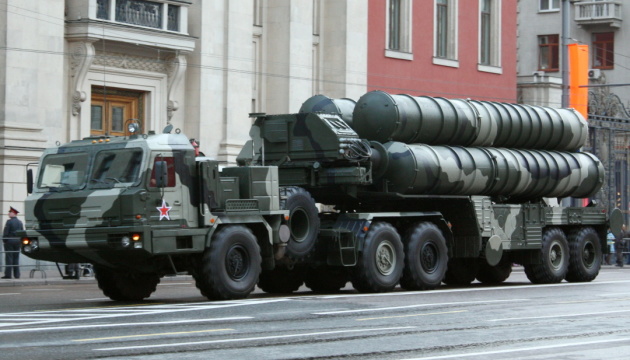
Confirmed S-400/Pantsir attrition directly constrains Russian air defense density, which in turn determines the operational ceiling for Ukrainian long-range strike systems (cruise missiles, loitering munitions, drones).
If Ukraine can sustain a strike tempo that exceeds Russia's ability to replace or reposition these systems, Russian air defense becomes a limiting factor in Russia's ability to protect rear-area targets—including ammunition depots, logistics nodes, and industrial capacity. This converts air defense loss rates into a measurable variable for force-on-force planning.
If Ukraine is now able to strike and publicly confirm losses of S-400 and Pantsir systems—Russia's primary layered air defense architecture—the attrition rate of these platforms becomes a measurable constraint on Russian air operations.
S-400 and Pantsir losses directly reduce Russia's integrated air defense density, which could accelerate Ukrainian drone and aviation penetration into contested airspace. The public confirmation suggests Ukraine has confidence in targeting these systems, implying either improved ISR/strike coordination or Russian repositioning vulnerabilities.
However, without casualty figures, we cannot yet assess whether attrition is forcing Russia to deplete reserves or simply accept localized losses.
The article does not specify how many systems were destroyed, damaged, or rendered inoperable; whether these represent net new losses or replacements of previously struck systems; or Russia's current inventory and replacement capacity for S-400 and Pantsir units.
Fault Lines
Strategic intelligence, synthesized daily — with a public track record. Every call graded against what actually happened.