Ukraine Parliament Committee Clears Medical Standards Bill for Foreign Combat Personnel
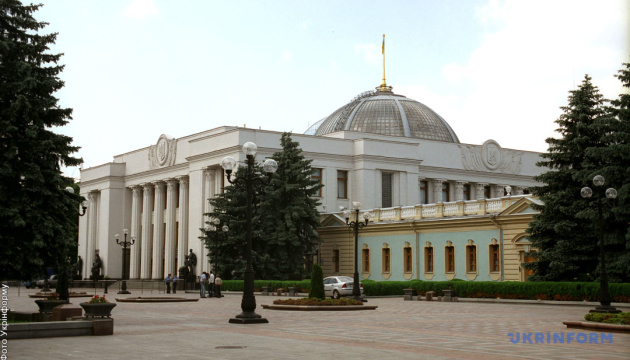
Standardized medical protocols for foreign fighters reduce friction in allied military-to-military coordination and enable allied governments to formalize what are currently gray-zone recruitment and medical support arrangements.
If Ukraine's standards align with NATO baseline (combat readiness, evacuation, field medicine), allied defense ministries can route medical logistics through existing NATO supply chains rather than ad-hoc civilian channels, accelerating casualty evacuation and reducing allied political exposure.
This formalizes medical liability and standardization for foreign volunteer fighters, reducing legal exposure for Ukraine and creating predictable operational frameworks for NATO allies whose citizens serve in Ukraine.
The bill matters operationally because medical standards determine force readiness and evacuation protocols; it matters legally because it clarifies Ukraine's obligations to non-citizen combatants, potentially unlocking insurance and liability frameworks that allied governments require before tacitly permitting recruitment on their soil.
Watch whether passage triggers similar legislation in NATO states (UK, Poland, Canada) that have larger foreign volunteer cohorts.
The article does not specify what medical standards the bill establishes, whether they align with NATO protocols, or whether passage is expected to face parliamentary opposition.
Fault Lines
Strategic intelligence, synthesized daily — with a public track record. Every call graded against what actually happened.