Ukrainian drones strike Russian oil depot in Crimea; logistics pressure mounts
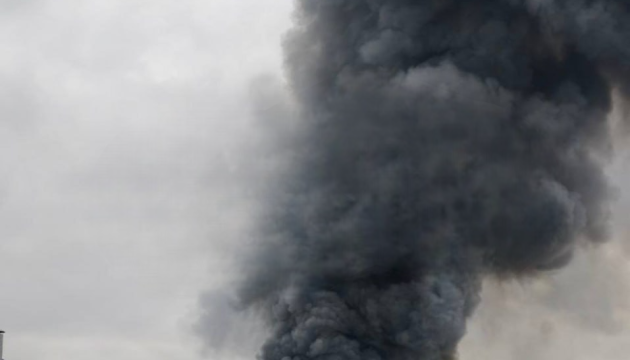
If Ukrainian drone strikes are degrading Russian fuel logistics in Crimea, U.S. and NATO assessments of Russian naval and ground force readiness in the region must account for attrition of rear-area infrastructure that is difficult to replace in a contested airspace.
This directly affects force-on-force modeling for contingency scenarios in the Black Sea and informs whether NATO allies should accelerate air defense procurement to protect similar infrastructure on their own territory. Conversely, if Russia has already relocated critical fuel stocks or hardened facilities, the strike's operational effect is minimal and signals Ukrainian targeting is reactive rather than disruptive.
This represents a single confirmed strike in a sustained Ukrainian campaign against Russian logistics nodes.
The operational significance depends on three unknowns the article does not address: (1) the depot's capacity and current stock levels, (2) whether the strike caused functional damage or was symbolic, and (3) whether Ukraine can maintain strike frequency against hardened or relocated fuel storage.
If Ukraine has degraded Russian Black Sea Fleet refueling capacity, it affects naval readiness calculations for U.S. and NATO force planners in the Eastern Mediterranean.
If this is one of many strikes in a coordinated campaign, it suggests Ukrainian drone production and targeting intelligence have reached a maturity level that warrants revision of rear-area vulnerability assessments — but a single incident does not establish that pattern.
The article does not specify: (a) whether the strike caused damage or total loss of the facility; (b) the depot's role in Russian supply chains (Black Sea Fleet, ground forces, or both); (c) whether Russia has dispersed or hardened similar facilities in response to prior strikes; (d) Ukrainian drone...
Fault Lines
Strategic intelligence, synthesized daily — with a public track record. Every call graded against what actually happened.