NATO Orders EUR 200M Tank Ammo from Rheinmetall; Stockpile Rebuild Amid Iran Conflict
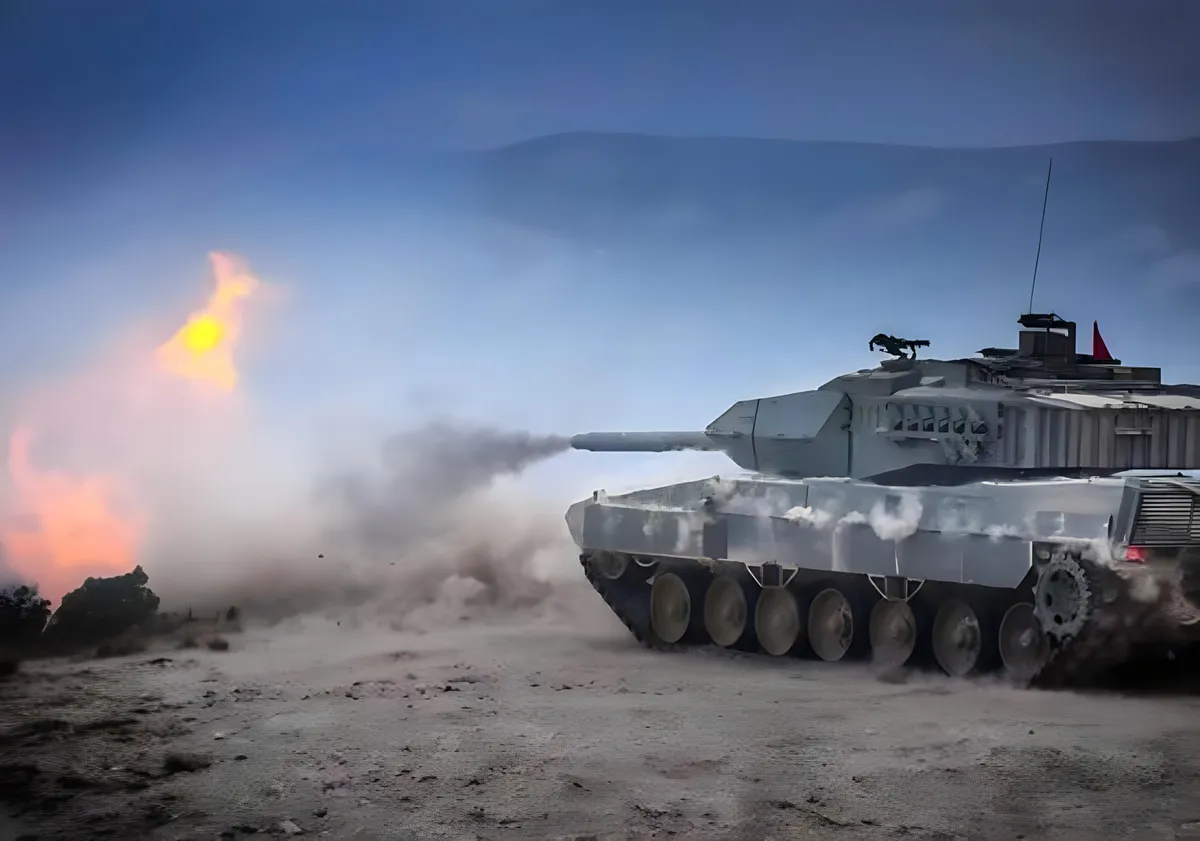
NATO's immediate ammunition procurement directly reflects the consumption rate of active air and ground operations already underway in the Middle East. If Iran conflict sustains beyond Q3 2026, this EUR 200M order will be insufficient to both replenish NATO stockpiles AND supply ongoing combat operations, forcing a second procurement cycle at potentially higher unit cost.
Rheinmetall's production capacity ceiling becomes a hard constraint on the duration and intensity of the campaign — not a policy variable.
This contract signals NATO is operationalizing ammunition reserves in real time, not in planning cycles.
With 82nd Airborne and 1,800 Marines already deployed to the Middle East, and B-52s conducting sustained operations from RAF Fairford, the alliance is consuming munitions faster than peacetime procurement schedules anticipated.
Rheinmetall's order book now includes both near-term Iran campaign support and longer-term deterrence restocking — a dual-track demand that will strain production capacity if the Middle East conflict extends beyond 90 days. Procurement managers should expect delivery slot competition and potential price escalation on follow-on tranches.
The article does not state: total rounds ordered, delivery schedule (critical if this is meant to replenish stocks consumed in ongoing operations), which NATO members are designated recipients, or whether this contract includes surge-production capacity clauses for additional orders.
Fault Lines
Strategic intelligence, synthesized daily — with a public track record. Every call graded against what actually happened.