Gulf Monarchies Abandon Strategic Hedging; European Defense Partnerships Now Viable Alternative
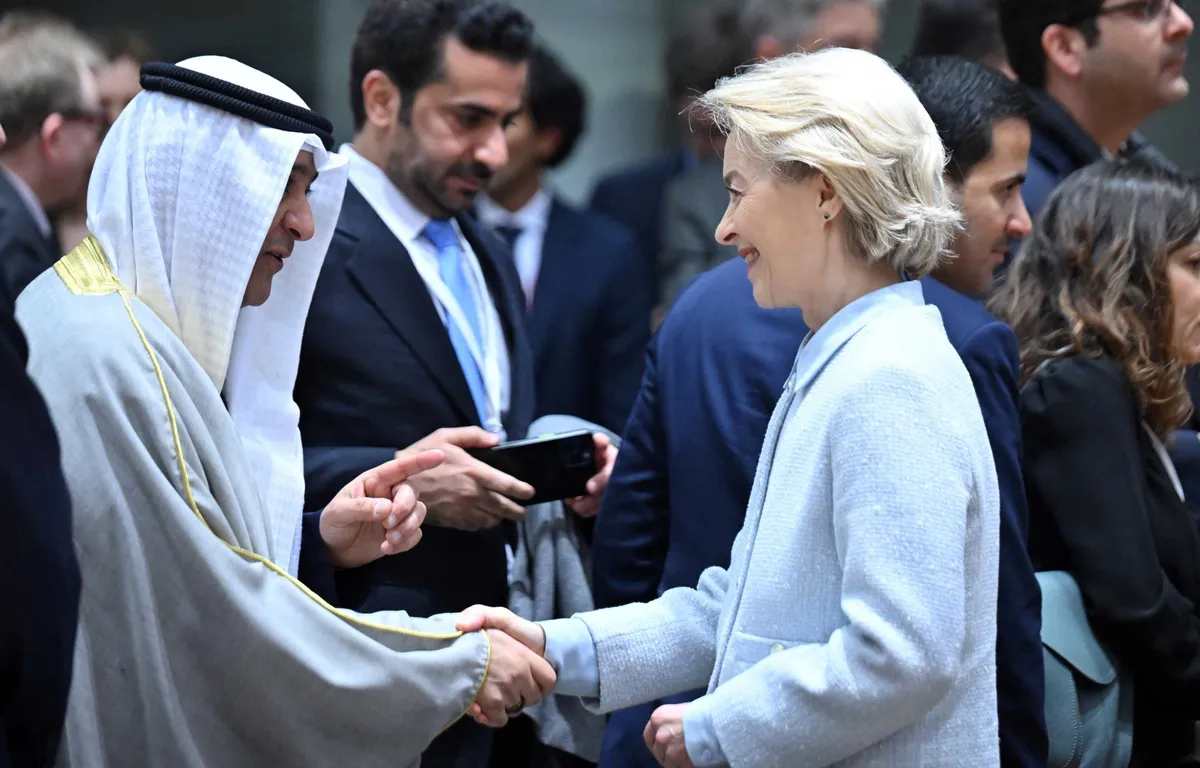
The collapse of Gulf hedging directly forces procurement decisions: UAE and Saudi air defense contracts (Patriot upgrades, THAAD ammunition, Aegis-class radar integration) will now prioritize interoperability with US systems over diversification, eliminating the opening European air defense vendors (MBDA, Thales) had during the hedging period.
This locks Gulf defense spending into the US industrial base for the next 5-7 years and reduces European leverage in critical mineral sourcing (rare earths for radar systems) and defense tech standards that Gulf states might otherwise have used as negotiating tools.
This analysis reflects a real shift in Gulf state vulnerability: UAE has intercepted 58 Iranian missiles and drones in four consecutive days (March 29), while Saudi Arabia hosts the attacked Prince Sultan Air Base where 10 US personnel were wounded (March 27).
However, the article's central claim—that European defense partnerships are now a viable alternative—requires scrutiny. European states lack the air defense density, forward basing, and power projection capability to replace US coverage in the Gulf. What the piece identifies correctly is that Gulf hedging has collapsed due to direct Iranian strikes; what it overstates is Europe's capacity to fill that void.
The real implication: Gulf states will deepen US security dependence, not diversify away from it. This constrains European leverage in Gulf energy and trade negotiations and locks allied procurement timelines to US strategic priorities in the region.
The article does not specify which European capabilities (air defense, naval presence, intelligence) the author believes Gulf states would actually adopt, nor does it address the logistics and basing constraints that make European force projection to the Gulf fundamentally different from US position...
Fault Lines
Strategic intelligence, synthesized daily — with a public track record. Every call graded against what actually happened.