NASA CSDA Opens Eight New SAR and Multispectral Data Agreements, Expanding Commercial Access
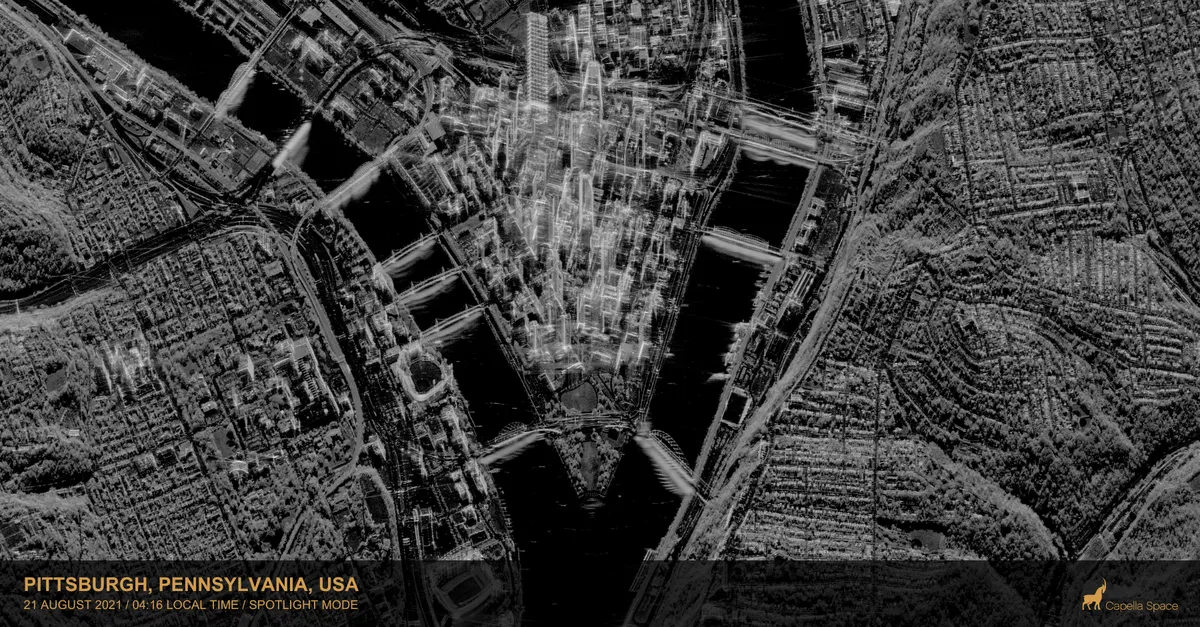
Expanding commercial SAR access shortens the timeline for theater commanders to task new collection targets without requesting NRO assets — reducing the ISR bottleneck that currently forces prioritization between Indo-Pacific contingency planning and ongoing Middle East operations.
If these vendors include non-traditional SAR providers (e.g., Capella, Iceye), this shifts imagery sourcing from a monopoly model (Maxar) toward a competitive market, which will surface in FY27 NGA budget markups as a leverage point for reprogramming classified collection toward strategic warning.
CSDA agreements determine which commercial imagery vendors gain access to federal procurement budgets and which imagery products flow into intelligence and military planning pipelines.
Eight new agreements suggest NASA is broadening the vendor base — likely to reduce single-source dependency and compete with NRO/NGA's classified contracts. However, without naming the vendors or agencies involved, the concrete impact remains opaque. If these agreements include Maxar, Planet, or Capella (SAR specialists), this expands tactical ISR capacity available to INDOPACOM or European Command.
If they're smaller startups, this is capability demonstration rather than capacity addition.
The announcement does not identify which vendors signed agreements, which government agencies are authorized users, the data volume or refresh rates, pricing, or whether any agreements include export-control restrictions on foreign use.
Fault Lines
Strategic intelligence, synthesized daily — with a public track record. Every call graded against what actually happened.