CesiumAstro Closes $730M Financing Round; 737-Sat Synchronicity Constellation Targets 350 Deployed by 2032
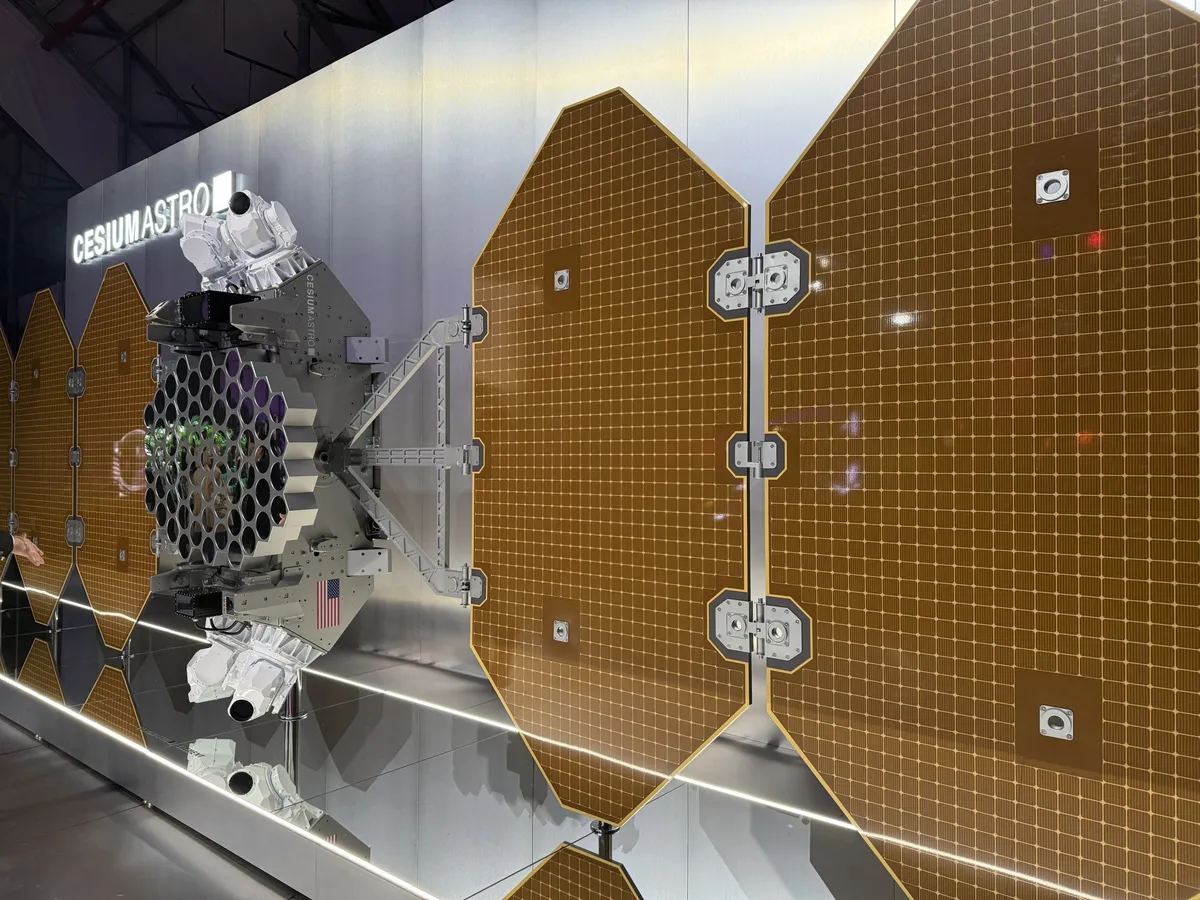
The Ex-Im Bank debt is the tell: federal credit agencies do not fund commercial space ventures unless there is a strategic national security rationale or a domestic industrial-base argument.
CesiumAstro's acquisition spree — Jariet (RF semiconductors), 1Aardvark (mission software for contested environments), Vidrovr (signal analysis AI) — assembles exactly the stack a military satcom operator would need for contested-spectrum operations.
The $500M Austin footprint investment is defensive: if supply-chain fragility forces acquisitions, domestic manufacturing becomes the hedge against Chinese IP restrictions or critical-mineral shortages. This positions CesiumAstro as a SpaceX alternative for military satcom, not a competitor to Starlink.
CesiumAstro is now the largest unfunded satcom venture at $4.5B+ valuation, and the Ex-Im Bank debt signals federal backing for a commercial constellation explicitly designed for national security customers operating in contested environments.
The $500M manufacturing commitment to Austin over five years locks in domestic supply-chain capacity for onboard compute and RF semiconductors at scale — a direct response to the supply-chain risk language Sabripour flagged.
Watch whether the 350-by-2032 deployment timeline forces SpaceX to reserve Starship rideshare capacity or whether CesiumAstro pursues dedicated launch, which would reshape the commercial launch market's allocation between Starlink and competing constellations.
What specific national security customer or use case drove the Ex-Im Bank participation? CesiumAstro's in-space compute and contested-environment software (acquired from 1Aardvark) suggest military or intelligence applications, but the article does not name the end user or procurement pathway.
Fault Lines
Strategic intelligence, synthesized daily — with a public track record. Every call graded against what actually happened.