UK deploys carrier strike group to North Atlantic under Operation Firecrest
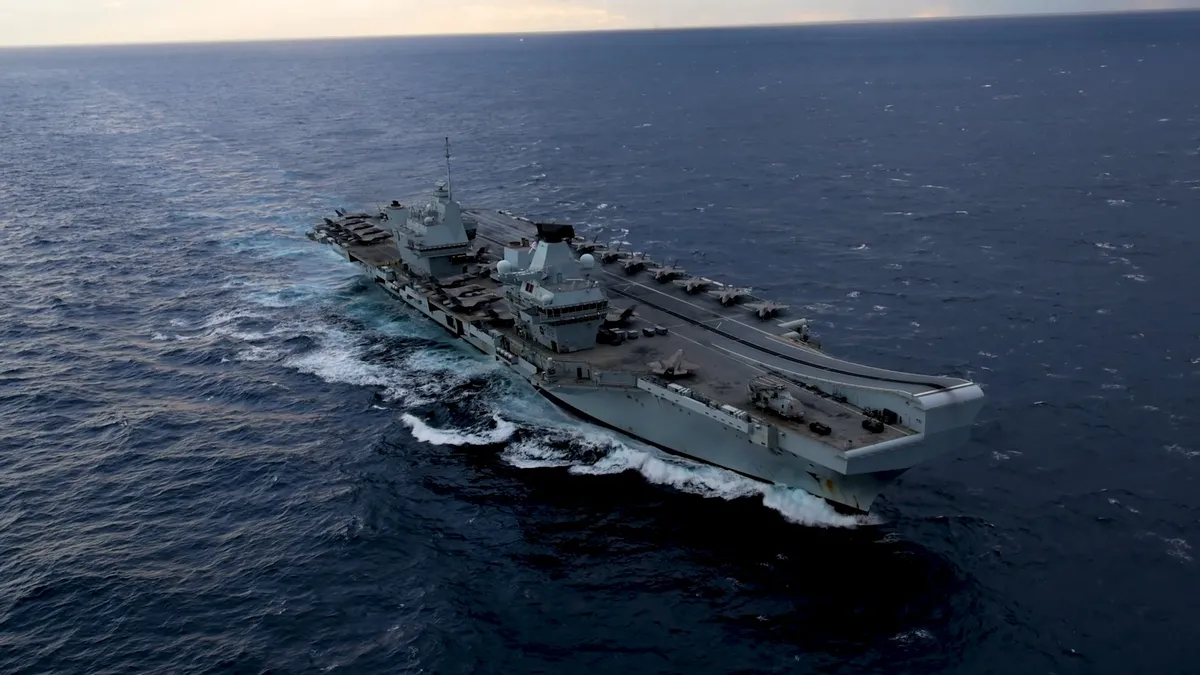
Power Projection is primary: this is a force posture decision in response to Russian activity in the High North. Market Forces is secondary: it confirms sustained demand for carrier escort vessels (Type 45, Type 26 frigates) and logistics support, but the article provides no procurement or budget impact.
Limited cross-pillar relevance—this is a capability deployment story, not a structural reallocation or policy change affecting multiple sectors.
This represents a sustained UK commitment to NATO's northern flank and undersea domain protection during a period of elevated Russia-NATO friction.
For naval contractors and program managers, it signals continued investment in carrier operations and escort vessel availability; for policy analysts, it indicates UK willingness to resource permanent or semi-permanent High North presence.
The undersea infrastructure protection mission is the novel element—it suggests the UK is operationalizing concerns about Russian cable-cutting or hybrid warfare against submarine communications networks.
Concrete impact depends on: (1) whether this becomes a recurring deployment or a one-off, (2) what escort composition and air wing are assigned, and (3) whether other NATO allies commit matching assets to establish a coordinated presence.
The article does not specify deployment duration, escort vessel assignments, air wing composition, operational tempo (one deployment vs. rotational presence), or whether this coordinates with allied commitments.
Fault Lines
Strategic intelligence, synthesized daily — with a public track record. Every call graded against what actually happened.