Northrop-Japan GPI Workshare Goes 50-50; AUKUS Precedent Pressures U.S. Industrial Lead
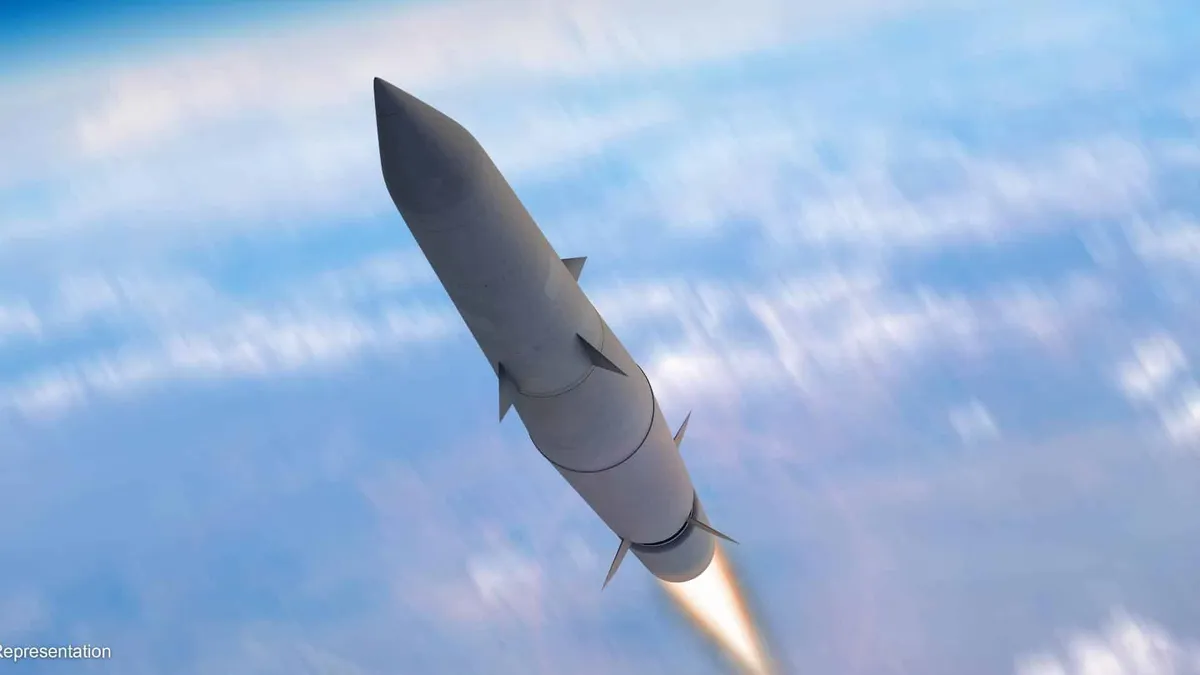
The 50-50 workshare directly affects Northrop's margin structure on hypersonic interceptors and reduces the contractor's leverage in future LRIP negotiations — allied co-developers can credibly threaten to absorb full production if U.S. pricing moves out of line.
This also creates a template: if Japan gets parity on GPI, South Korea and Australia will demand equivalent stakes on the next hypersonic program, fragmenting what was a consolidated U.S. industrial base into a federated allied production network. That network is more resilient to Chinese strikes but harder to control and slower to retool.
This is the first public acknowledgment of a 50-50 industrial split on a U.S. hypersonic program — and it matters because it sets a precedent for allied workshare on classified systems.
Japan gets design authority and production rights on half the interceptor; Northrop retains the other half but loses exclusivity on the technology. Against the backdrop of Australia's $37.9B AUKUS commitment and Germany's rearmament acceleration, this signals the U.S. is trading industrial consolidation for allied interoperability and burden-sharing.
Watch whether Congress treats this as cost-effective alliance-building or as tech transfer — the distinction will determine whether future hypersonic programs follow the GPI model or revert to U.S. monopoly design.
Does the 50-50 split include Japanese production of U.S.-origin components, or is Japan restricted to final assembly and integration? If the former, this accelerates Japanese manufacturing capacity for hypersonic systems and creates a second-source vulnerability if supply chains diverge.
Fault Lines
Strategic intelligence, synthesized daily — with a public track record. Every call graded against what actually happened.