Canada Enters Hanwha Submarine Supply Chain Amid Active US-Iran Conflict
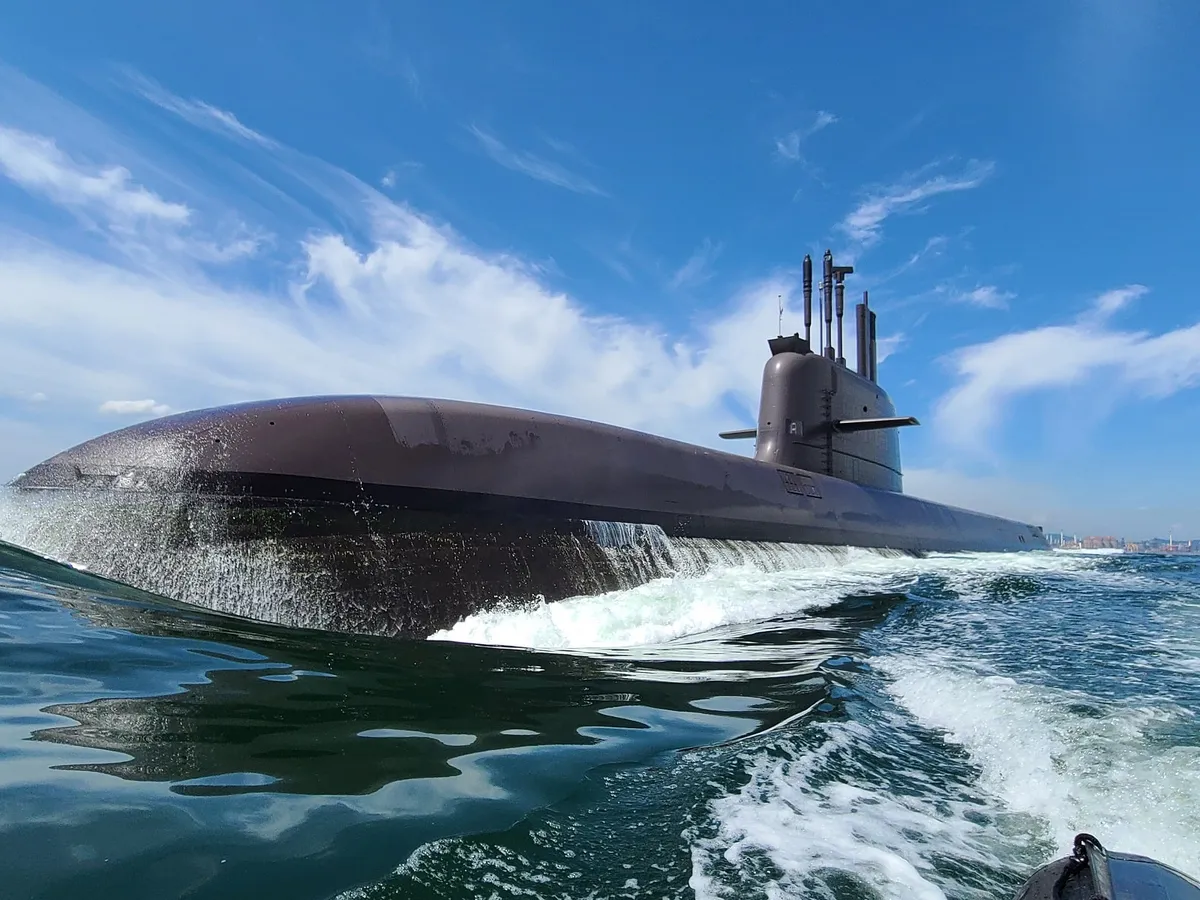
Hanwha's dependence on North American suppliers during active regional conflict creates a second-order logistics constraint: if component delays or shipping disruptions occur in the Gulf, CPSP timelines slip, which delays Canada's submarine capability and forces NATO to rely longer on aging surface combatants in the Indo-Pacific.
This converts a procurement decision into a readiness variable tied to conflict duration.
Additionally, Canada's formal commitment to a non-US prime contractor (Hanwha, not General Dynamics or Huntington Ingalls) signals NATO allies are willing to accept South Korean industrial risk to reduce US-only dependence—a market signal that may accelerate Korean Aerospace and Hanwha bids into other allied submarine or surface combatant programs.
This timing exposes a critical procurement vulnerability: Canada is committing to a South Korean prime contractor for submarine capability while the US-Iran conflict is actively testing allied naval readiness in the Persian Gulf and disrupting global supply chains.
Hanwha Ocean's supply chain now spans North America during a period when logistics, component sourcing, and industrial capacity are under stress from concurrent military operations. If Iranian strikes expand to maritime chokepoints (Strait of Hormuz) or disrupt component suppliers, CPSP delivery timelines and allied submarine availability in the Indo-Pacific could compress simultaneously.
Conversely, if the conflict stabilizes quickly, this signals Canada's strategic pivot toward non-US submarine suppliers—a market signal that NATO allies are diversifying away from pure US-centric procurement.
The article does not specify which Canadian companies signed agreements, which submarine components or subsystems they will supply, or whether Hanwha Ocean has disclosed how the active Iran conflict affects its supply chain risk assessment or delivery commitments to Canada.
Fault Lines
Strategic intelligence, synthesized daily — with a public track record. Every call graded against what actually happened.