Ukrainian Drone Strikes Degrade Russian Rear Air Defenses; Donetsk Supply Lines Exposed
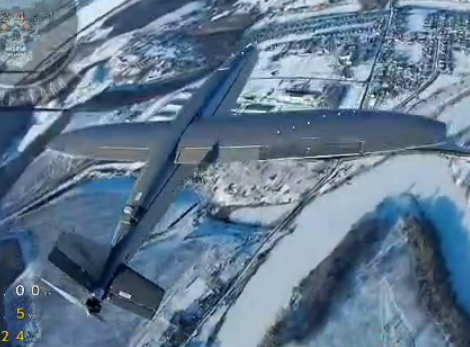
Ukrainian air defense attrition documented in the April 17 signal (147/172 interceptions) reflects one side of a two-way degradation process. If Russian air defenses are simultaneously collapsing under Ukrainian targeting, the net effect is a widening window for Ukrainian strike depth—extending the operational reach of drones and missiles into supply lines that sustain Russian combat units.
This directly pressures Russian logistics, which already faces strain from CENTCOM's expanded blockade (April 16 signal) cutting off external supply routes.
This represents a tactical shift in the Ukraine air campaign: Ukrainian forces are now able to sustain strikes deep into Russian rear areas where supply lines and logistics nodes operate with reduced protection.
If Ukrainian air defense attrition has genuinely reached a point where continuous coverage is no longer maintainable, Russian logistics become a viable target set for extended-range Ukrainian drones and missiles.
This directly feeds into the existing supply constraint already documented in prior signals—Ukraine's April 17 interception rate (147 of 172 Russian drones) demonstrates air defense capacity, but the inverse dynamic (Russian air defense degradation) accelerates Ukrainian strike depth.
The consequence: Russian forces in Donetsk may face accelerated attrition of supply convoys, potentially forcing operational pause or repositioning. This is incremental to the existing conflict dynamic but tactically significant for force sustainability calculations.
The article does not specify which Russian air defense systems have been degraded (S-300, S-400, Pantsir, Tor), the geographic scope of the gaps, or the timeline over which these degradations occurred.
Fault Lines
Strategic intelligence, synthesized daily — with a public track record. Every call graded against what actually happened.