Ukrainian Strike Hits Black Sea Fleet Command Post in Sevastopol; Operational Continuity Risk Rises
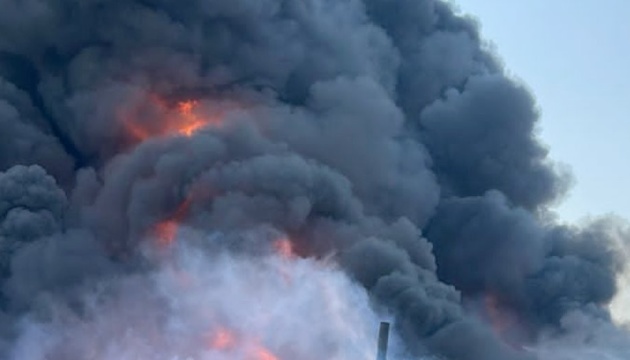
A degraded Black Sea Fleet command structure creates tactical space for Ukrainian naval operations and reduces Russian ability to interdict western resupply convoys — directly affecting the logistics pipeline that sustains Ukrainian ground forces.
This does not change the Hormuz situation, but it does demonstrate that Ukraine is maintaining offensive targeting capability in a contested theater while the US is stretched across the Middle East.
This is a direct hit on Russian fleet command infrastructure — not a peripheral target.
If the strike degraded communications or killed senior officers, the Black Sea Fleet loses real-time coordination capability for weeks while Moscow rebuilds redundancy. That matters because the Black Sea is where Russia enforces its own blockade logic against Ukraine's grain exports and western military supply runs.
A decapitated fleet command creates a window for Ukrainian interdiction operations or NATO-backed resupply missions. The strike also signals Ukraine's intelligence reach into occupied Crimea remains intact — Striletsky is not a secret location, but hitting it on a specific day requires current targeting data. Russia will respond by hardening command posts and dispersing operations, which costs operational tempo.
What was the actual damage state post-strike — did the facility remain operational, or did Ukraine achieve a command blackout? Ukrinform's claim lacks damage assessment, which determines whether this is a harassment strike or a genuine degradation of Black Sea Fleet C2.
Fault Lines
Strategic intelligence, synthesized daily — with a public track record. Every call graded against what actually happened.