US Approves $2B Counter-Drone Sale to Kuwait After Iranian Strikes
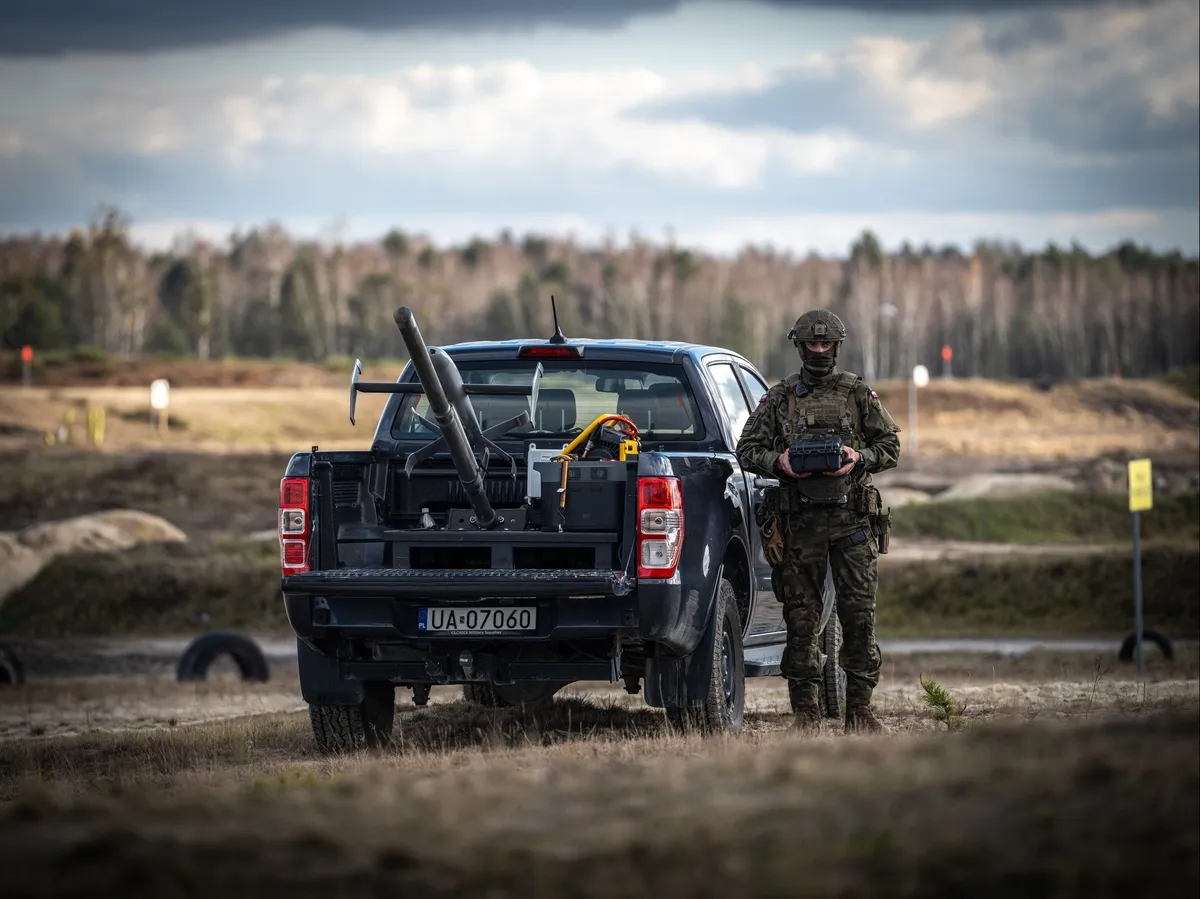
The sale locks Anduril into the Gulf counter-drone market at scale — a strategic win for the company but a production constraint that will surface in 2027 earnings. If Kuwait orders 200-300 units (typical for a $2B counter-UAS package), Anduril's Irvine facility will be running at 90%+ utilization by Q4 2026.
That creates a vulnerability: any delay in Kuwait's funding or integration timelines means Anduril sits idle, and any acceleration in US Air Force Skyborg or Navy air-defense orders gets pushed right. Watch RTX and Northrop's counter-drone portfolios — they'll be bidding aggressively on the second-order Gulf sales (Saudi, UAE, Bahrain) to capture the demand Anduril can't absorb.
Kuwait faces an immediate air-defense gap against Iranian unmanned systems — and Anduril's platforms are the fastest available option to close it.
The $2B commitment signals that Gulf states are moving beyond political statements into hard procurement, which will strain Anduril's production capacity and force the company to choose between Kuwait, existing US military contracts, and other allied customers within the next 12-18 months.
Watch whether the State Department approves similar packages for Saudi Arabia or UAE within Q3 2026 — if yes, Anduril will need to either subcontract production or delay US Air Force deliveries.
What is the delivery timeline for Kuwait's systems, and does Anduril have spare manufacturing capacity to fulfill it without delaying US military orders?
Fault Lines
Strategic intelligence, synthesized daily — with a public track record. Every call graded against what actually happened.