Belgium signals F-35 industrial preference, contract signing expected 2026
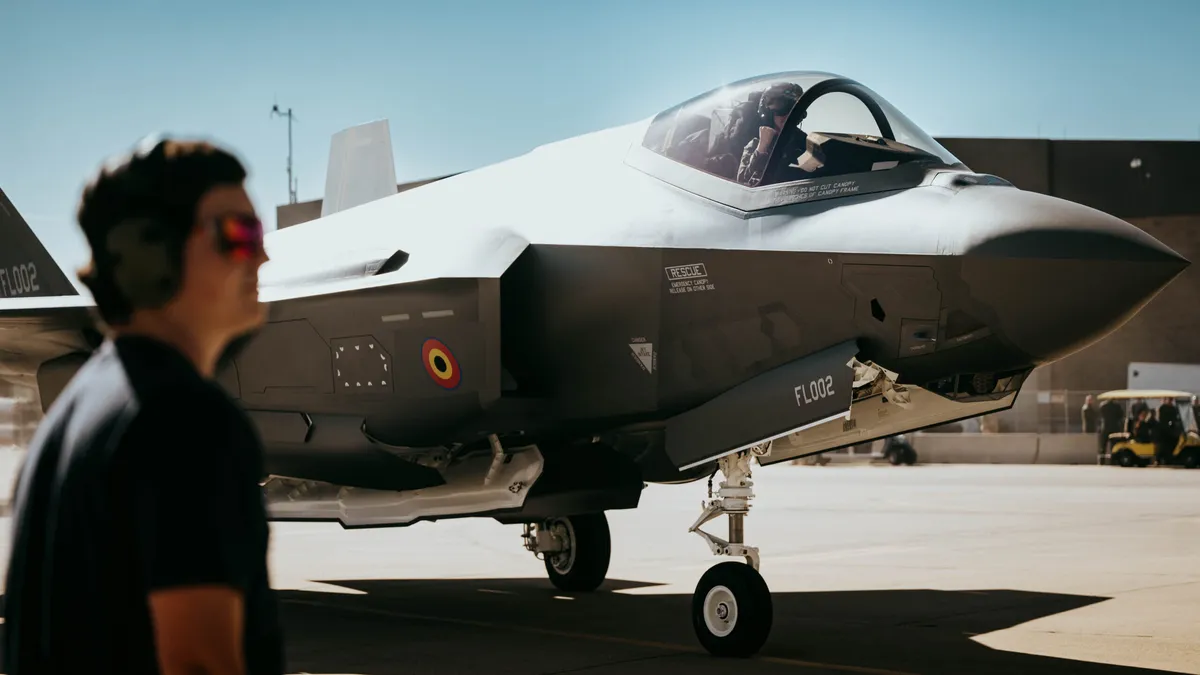
This is primarily a Market Forces story—industrial policy and supply chain localization in a major NATO procurement. It connects to Power Projection only indirectly: Belgium's F-35 fleet size and operational readiness matter to NATO air defense, but this announcement is about industrial composition, not capability.
The European content preference reflects broader allied pressure on U.S. primes to source from NATO partners, visible in recent Patriot and HIMARS contracts, but Belgium's actual purchasing power is modest relative to Germany, Poland, or Italy. Limited cross-pillar relevance unless the contract terms establish a precedent for other allied F-35 orders.
Belgium's framing of the F-35 top-up order around European content is a negotiating signal to Lockheed Martin and European defense suppliers (Airbus, Thales, Leonardo, HENSOLDT).
It reflects NATO ally pressure to localize supply chains—a trend visible across allied F-35 operators—but the actual leverage is unclear without knowing Belgium's order size or whether this is aspirational language or a hard procurement requirement.
The outcome depends on whether Belgium's stated preference translates into contractual offsets or industrial participation clauses, or remains rhetorical cover for a standard Lockheed Martin contract.
The article does not specify how many additional F-35s Belgium intends to procure, which determines the commercial significance and leverage in negotiations with Lockheed Martin.
Fault Lines
Strategic intelligence, synthesized daily — with a public track record. Every call graded against what actually happened.