Pakistan Mediation Bid Exploits US-Iran War Vacuum; India Sidelined from Gulf Diplomacy
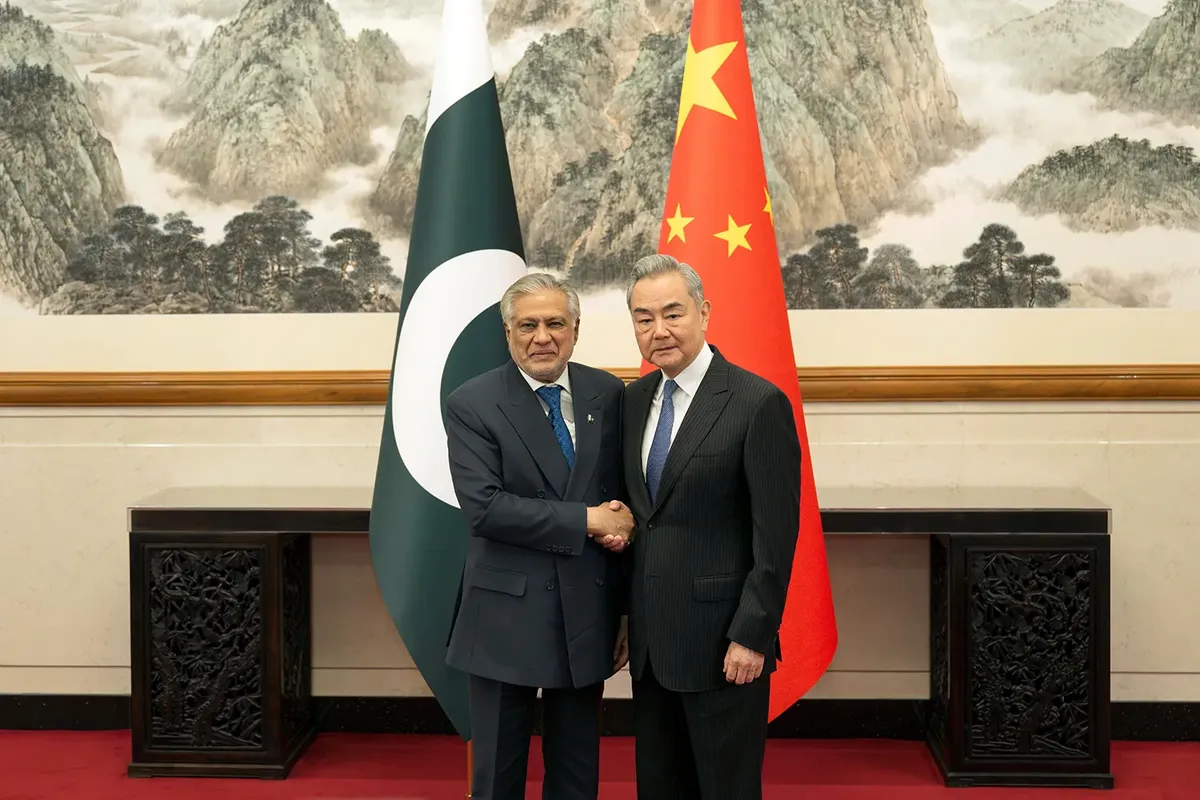
Pakistan's mediation attempt directly competes with the UK-led Hormuz coalition (announced April 2) for control of the diplomatic off-ramp.
If Pakistan succeeds in brokering talks, it shifts ceasefire terms away from Trump's Hormuz access requirement toward a framework Iran can accept—which would either shorten the conflict window (reducing Israel's operational time against Lebanese targets and Iranian infrastructure) or fracture the US-UK coalition if Washington rejects a Pakistan-brokered deal.
Pakistan's mediation attempt signals a tactical opening to reset ties with Iran and assert independent foreign policy during the 33-day US-Israel campaign—a window that closes once Trump's stated 2-3 week exit timeline expires.
India's exclusion reflects both New Delhi's dependence on US security alignment and Pakistan's ability to exploit the conflict's diplomatic vacuum. The durability of Pakistan's mediator role depends entirely on whether Trump accepts a ceasefire without Hormuz control guarantees; if he doesn't, Pakistan loses leverage and the initiative collapses.
For defense planners, this matters because it reveals which regional actors retain independent diplomatic bandwidth during active US operations—a factor that shapes post-conflict alliance reconfiguration in South Asia and the Indian Ocean.
The article does not specify what Pakistan is actually offering Iran as incentive to negotiate, what the US position is on Pakistani mediation, or whether Pakistan has secured tacit approval from Washington to pursue this role.
Fault Lines
Strategic intelligence, synthesized daily — with a public track record. Every call graded against what actually happened.