Chinese Influence Ops Threaten ROK Domestic Consensus on US Alliance
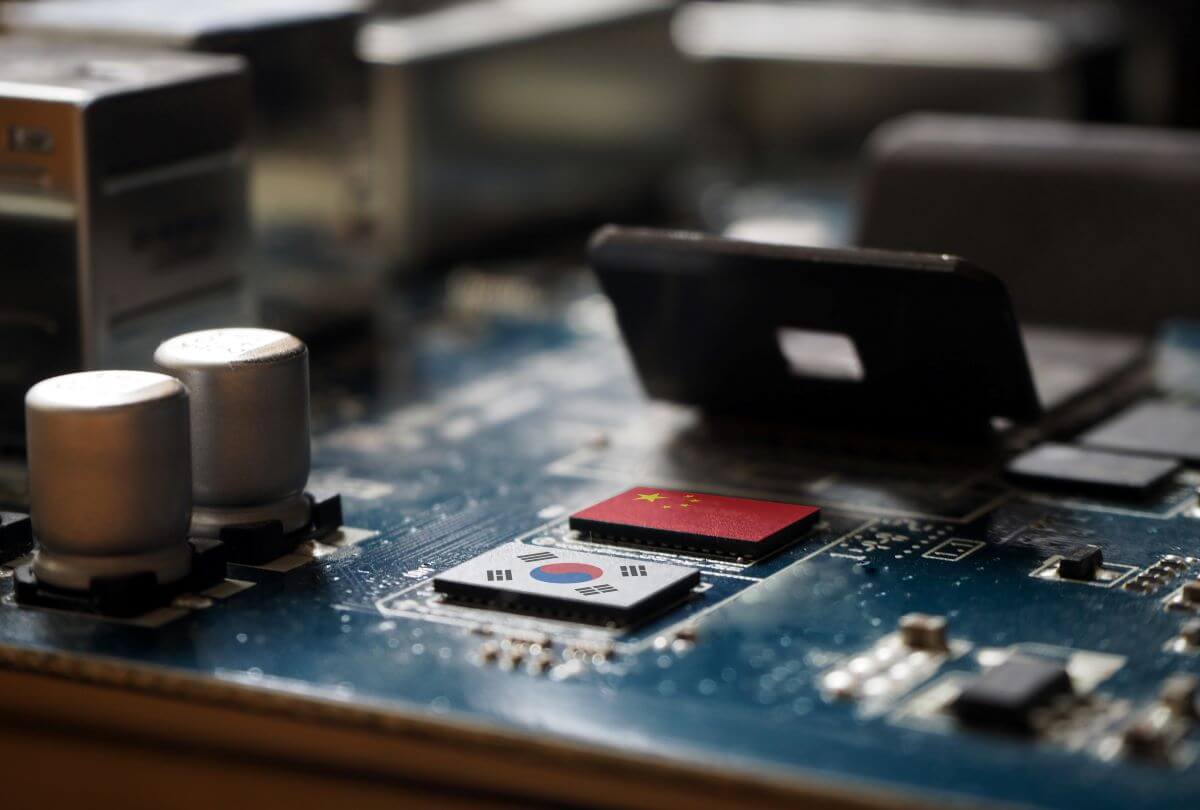
Political fragility in Seoul directly compresses US military planning windows for contingencies on the Korean Peninsula.
If Chinese messaging campaigns reduce Korean willingness to host US forward bases, expand THAAD deployments, or participate in joint exercises, the US must either accept degraded readiness or substitute with more expensive regional basing (Japan, Guam) — a cost shift that reshapes Indo-Pacific force posture and procurement priorities.
Conversely, if Seoul perceives Chinese influence as an existential threat, it may accelerate indigenous defense programs (KF-21, KDX-III, Cheongung air defense) as a hedge against political dependence, fragmenting the allied procurement ecosystem.
If Chinese influence operations successfully erode South Korean domestic support for the US alliance, Seoul may face pressure to dilute operational coordination, delay procurement decisions, or restrict intelligence sharing — all of which would degrade US forward positioning in the Indo-Pacific.
The critical variable is whether Korean civil society and political institutions can resist sustained disinformation campaigns; if they cannot, alliance resilience becomes a function of political messaging rather than military capability.
Defense contractors dependent on ROK integration (Lockheed, RTX on F-35 sustainment; Raytheon on integrated air defense) face execution risk if political instability delays force modernization or procurement cycles.
The article does not specify which Chinese influence campaigns are active, their scale, measurable effects on Korean public opinion polling, or which Korean political figures or institutions are primary targets — data needed to assess whether this represents a localized information operation or a st...
Fault Lines
Strategic intelligence, synthesized daily — with a public track record. Every call graded against what actually happened.