Israel Strikes Iranian Weapons Plants in Fourth Consecutive Night of Escalating Strikes
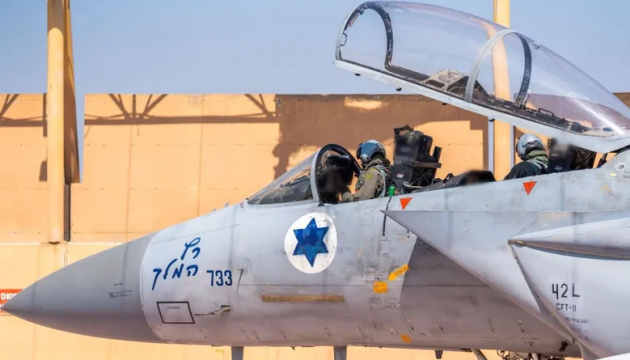
Sustained Israeli strikes on weapons production capacity force Iran to choose between reconstituting conventional deterrence (missiles, drones) or accelerating nuclear enrichment — it cannot do both under continuous air campaign pressure. This constrains Iranian retaliation options and may explain why Iran has relied on proxy strikes (Houthis, militias) rather than direct state-level response since March 27.
For US procurement: the demonstrated effectiveness of UAE air defenses against Iranian missiles (58 intercepts in one night) will accelerate Gulf Cooperation Council orders for advanced air defense systems, benefiting Raytheon (Patriot/THAAD upgrades) and Lockheed (Terminal High Altitude Area Defense variants).
This represents continuation, not escalation — Israel has now conducted four consecutive nights of strikes on Iran's nuclear and conventional weapons infrastructure without apparent pause or de-escalation.
The shift from nuclear sites (Bushehr, Arak) to weapons factories suggests Israel is systematically degrading Iran's entire military production capacity, not just its nuclear program. For defense planners: sustained air campaign intensity at this tempo indicates Israel is operating under assumption of extended conflict, not surgical strikes followed by pause.
This affects US force posture planning (Pentagon is already considering 10,000 additional troops) and allied air defense procurement — UAE intercepted 58 Iranian missiles and drones on March 29 alone, signaling sustained Iranian retaliation capability despite losses.
Article does not specify which weapons facilities were targeted, their production output (missiles, drones, conventional ordnance), or damage assessment.
Fault Lines
Strategic intelligence, synthesized daily — with a public track record. Every call graded against what actually happened.