Ukraine Strikes Sheskharis Oil Terminal; U.S. Warning Preceded Attack
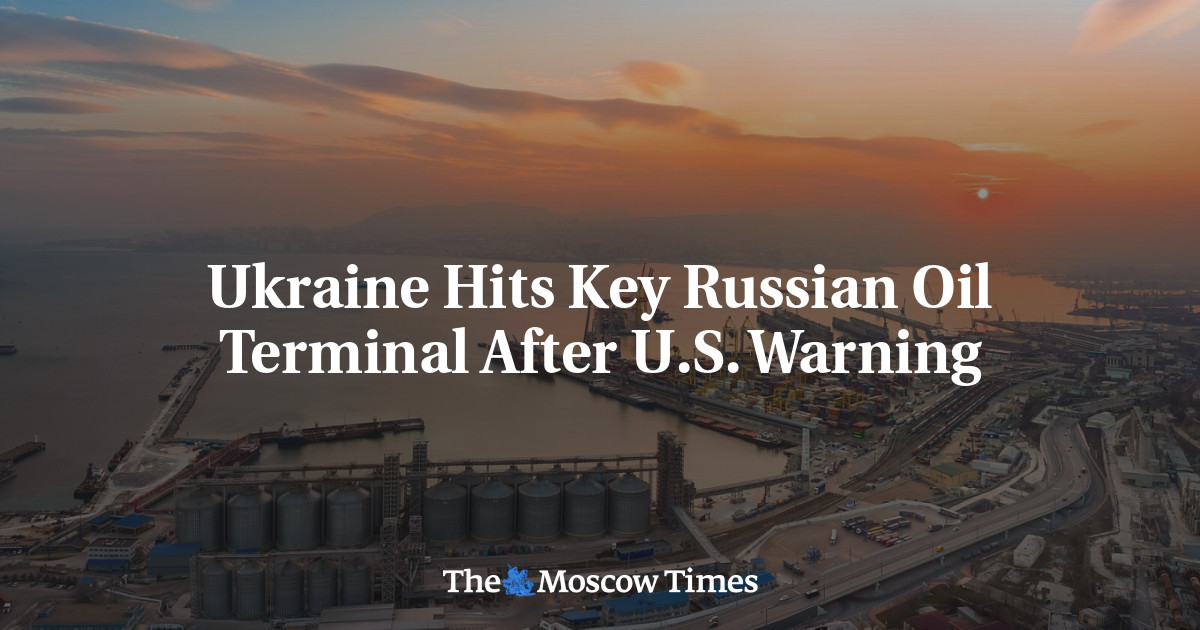
A sustained campaign against Russian oil terminals would force Russia to disperse fuel storage and lengthen supply lines, increasing logistics vulnerability and raising the marginal cost of forward operations — but only if Ukraine can generate the strike cadence and standoff weapons to repeat this.
If the U.S. warning reflects a policy shift toward explicitly enabling strikes on Russian energy infrastructure (rather than merely tolerating them), it narrows the escalation buffer between conventional strikes and direct U.S. involvement in targeting decisions, which could accelerate NATO supply commitments to Ukraine or trigger Russian retaliation against NATO supply lines.
If the strike degrades Russian fuel logistics, it creates a temporary window for Ukrainian forces to exploit reduced Russian mobility — but only if Ukraine can sustain follow-on strikes or if the terminal remains offline for weeks, not days.
The precedent of U.S. warnings preceding Ukrainian strikes on Russian rear-area infrastructure suggests either intelligence-sharing coordination or U.S. tolerance for escalation in the energy domain.
For defense investors, this matters only if it signals a sustained campaign against Russian fuel infrastructure (which would extend the conflict timeline and increase demand for Ukrainian air defense and strike systems) versus a one-off raid. The article provides no evidence either way.
What was the U.S. warning's content and timing? Did it request Ukraine not to strike, warn of consequences, or simply alert Ukraine to the target's location? What is the damage assessment — tonnage lost, repair timeline, impact on Russian supply lines? Has Russia responded militarily?
Fault Lines
Strategic intelligence, synthesized daily — with a public track record. Every call graded against what actually happened.