Japan Begins Unmanned AAV Production; MUM-T Integration Compresses Amphibious Kill Chain
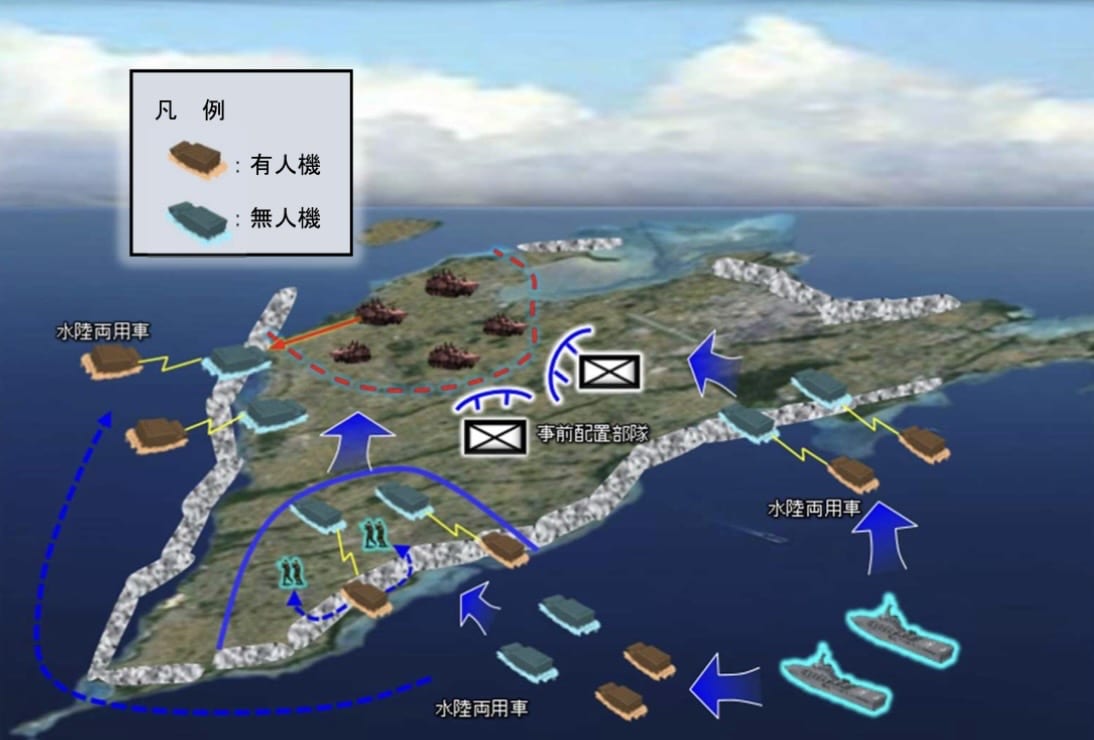
If Japan fields 50-100 unmanned AAVs with MUM-T integration by 2029, it resets the PLA's calculus for Senkaku contingencies. The unmanned platform absorbs first-strike risk while the manned force operates at standoff range — a doctrine shift that South Korea and Australia will watch closely for co-development opportunities.
This also signals Tokyo's confidence in its domestic defense-industrial base, reducing dependence on US production timelines. Against the backdrop of the Pentagon's naval bottleneck (108-aircraft constraint, shipyard delays), Japan's willingness to fund autonomous amphibious capability unilaterally suggests the Indo-Pacific allies are hedging against US industrial capacity limits.
Japan is closing a capability gap that INDOPACOM has struggled to operationalize: distributed amphibious assault with real-time sensor fusion.
If the unmanned AAV achieves autonomous targeting and relay, Japan's amphibious forces can compress their decision cycle from hours to minutes — the same compression Ukraine achieved with commercial satellite feeds. This forces the PLA to replan littoral assault tactics against a defender with faster ISR-to-fire loops.
The timeline matters: Japan is funding this domestically, not through AUKUS co-production, which means Tokyo is betting it can field operational units by 2028-2029 without waiting for allied development cycles. Watch the FY27 Japanese defense budget (due by end of 2026) for production line commitment and unit count targets.
What is the actual autonomous engagement authority on the unmanned AAV — operator-in-loop or full autonomous targeting? And what is Japan's production timeline and unit target for the first operational squadron?
Fault Lines
Strategic intelligence, synthesized daily — with a public track record. Every call graded against what actually happened.