Navy Non-Competes FF(X) Frigate to HII Ingalls; $282.9M Lead Yard Award Locks in NSC-Based Design
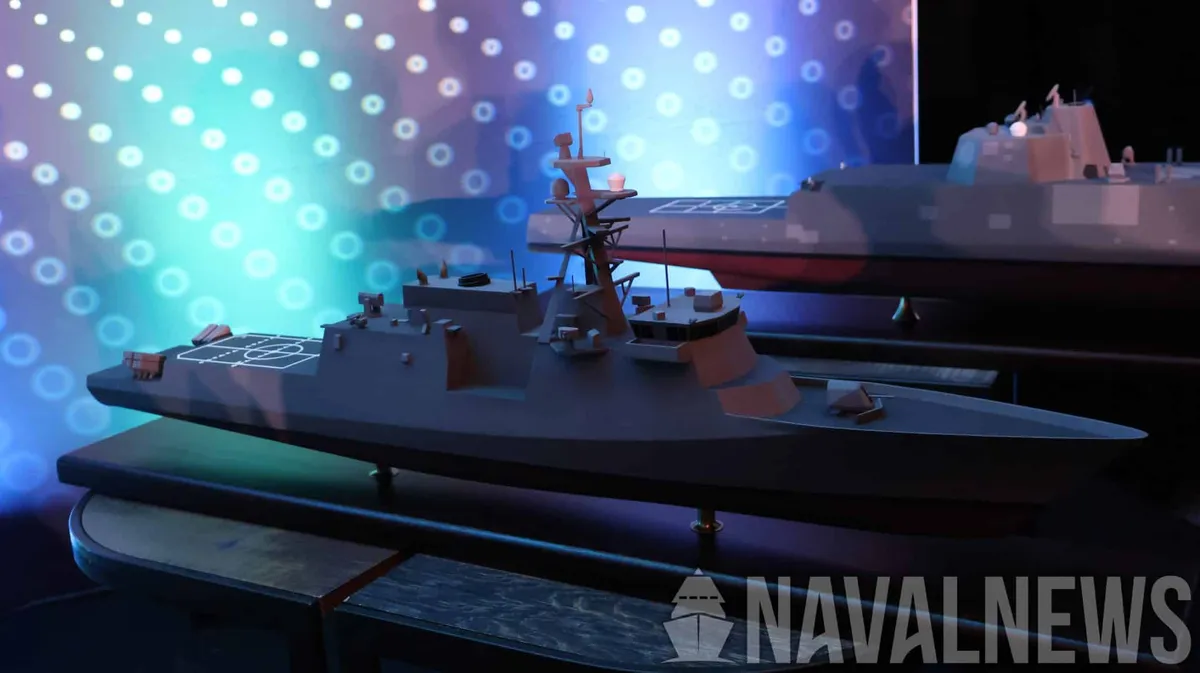
Locking Ingalls into frigate production consumes yard capacity that could otherwise support Ohio-class replacement production or other surface combatant builds.
If the NSC-based frigate ramps to 2-3 ships per year by the early 2030s, Ingalls' available slots for ballistic missile submarine work shrink, forcing a delay in the SSBN(X) lead yard schedule or a split of SSBN(X) work to another yard — a move that would increase per-unit costs and extend the overall construction timeline.
This becomes a binding constraint on strategic deterrence readiness if SSBN(X) slips past the Navy's current 2035 IOC target.
This is a deliberate industrial lock-in, not a competitive outcome.
By non-competing the contract and anchoring the design to an NSC hull already in production at Ingalls, the Navy eliminates future bid competition and commits the frigate line to a single yard for the foreseeable future. Huntington Ingalls gains sole-source status on what could be a 20+ ship program; competitors (Fincantieri, Damen, potentially others) are permanently excluded from the frigate market.
The 2028 completion date is tight for a lead yard effort — any slip delays the LRIP decision and pushes initial deliveries into the 2030s, a gap that matters if Pacific Command is planning for Taiwan contingency by 2029-2030.
The NSC hull is a proven design, which de-risks the program but also signals the Navy has abandoned the idea of a frigate optimized for high-intensity peer conflict in favor of a platform that is modular, lower-risk, and easier to produce at scale.
What is the actual production ramp rate post-LRIP? The $282.9M is for lead yard work, but the Navy has not announced how many ships are in the initial production contract or what the unit cost will be.
Fault Lines
Strategic intelligence, synthesized daily — with a public track record. Every call graded against what actually happened.