Japan Offers Used Asagiri-Class Destroyers to Indonesia; Defense Exports Accelerate Amid US Naval Capacity Crunch
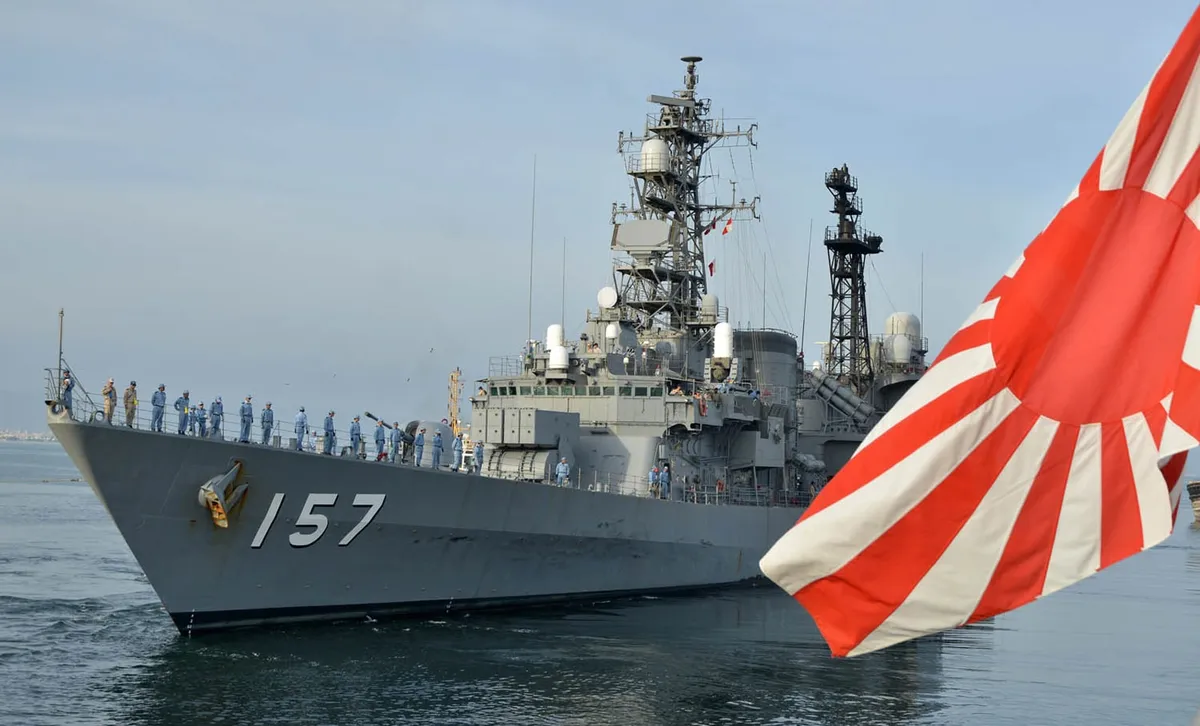
Japan is converting its own industrial constraint into alliance architecture. The Asagiri class (six ships, all in service or recently retired) represents excess capacity Japan cannot fully crew or operate given JMSDF manning limits.
Transferring 2-3 hulls to Indonesia accomplishes three things: (1) reduces JMSDF logistics burden, freeing budget for new-generation Mogami-class procurement; (2) locks Indonesia into Japanese maintenance and spare-parts dependency, extending Tokyo's influence in Southeast Asian naval operations; (3) establishes a template for Japan-South Korea-US trilateral naval supply-chain thinking.
This opens a supply valve for Indonesia's naval modernization without consuming US or allied production capacity — precisely the logic behind the Pentagon's $1.85B request to procure Japanese and South Korean warships for US Navy backfill (announced June 4).
If Indonesia takes 2-3 used Asagiri hulls, Japan frees up JMSDF maintenance and crew resources, allowing Tokyo to sustain higher operational tempo in the Strait of Malacca and South China Sea without expanding its own shipbuilding footprint. The mechanism: used-vessel transfers are faster than new construction (3-5 year delivery vs. 8-10 years) and preserve allied production lines for new-build priority.
Watch whether the deal closes by Q4 2026 — if it does, expect similar offers to Philippines and Vietnam, signaling a coordinated allied strategy to distribute naval capacity pressure across three shipbuilding nations (US, Japan, South Korea) rather than bottlenecking at Newport News or Bath Iron Works.
What is the actual condition and modernization cost of the Asagiri hulls being offered? The article does not specify which ships or their service status, which determines whether Indonesia absorbs refurbishment costs or Japan subsidizes them as strategic investment.
Fault Lines
Strategic intelligence, synthesized daily — with a public track record. Every call graded against what actually happened.