UK Accelerates DragonFire Laser to Royal Navy Destroyers by 2027; $13-per-shot cost enables Hormuz corridor defense
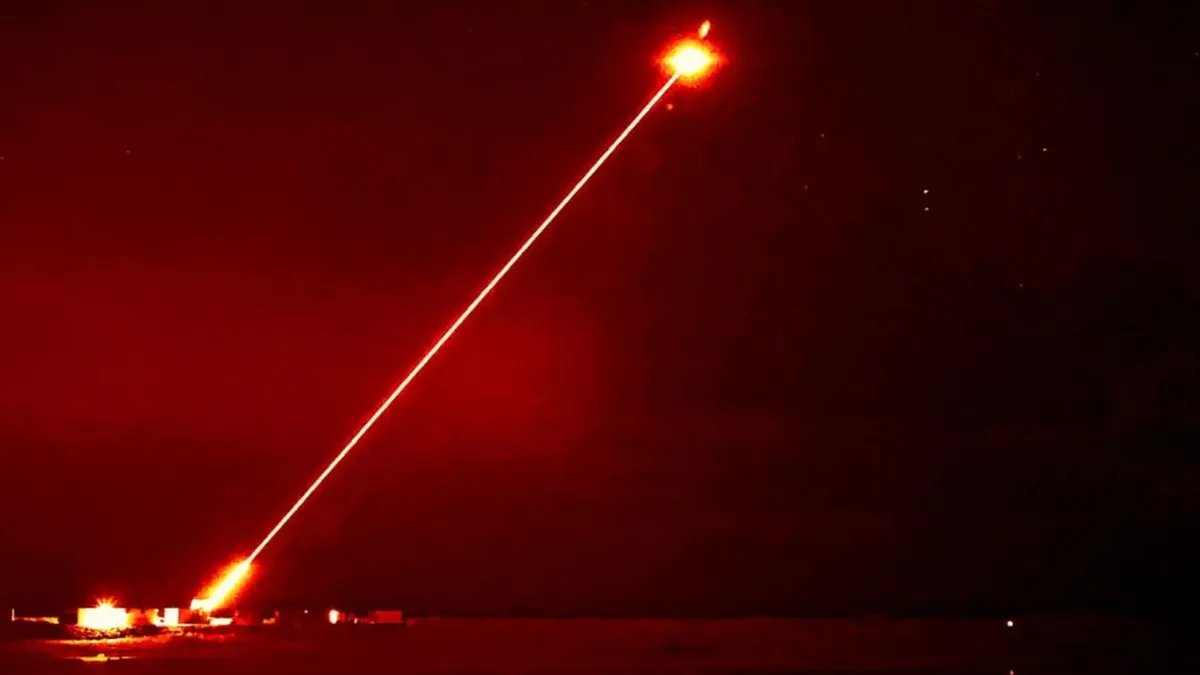
The acceleration of DragonFire reflects a shift from strategic procurement timelines to operational necessity — the Hormuz corridor strikes have forced the MoD to front-load a capability originally scheduled for the 2030s.
This creates a procurement bottleneck: Raytheon (laser module) and MBDA (integration) will need to compress development and qualification schedules, likely pulling engineering resources from other NATO programs and raising integration costs.
This acceleration directly addresses the Hormuz corridor vulnerability exposed over the past 72 hours: Iranian and Houthi drone strikes on Kuwait's Mina Al-Ahmadi refinery and UAE's Habshan gas facility have demonstrated that existing air defense systems are insufficient against sustained, low-cost unmanned attacks.
A Type 45 equipped with DragonFire provides a cost-asymmetric counter — $13 per engagement versus $100k+ per anti-ship missile or drone. However, the 2027 timeline means no UK destroyer will have this capability during the current conflict; the window for deployment is post-escalation.
The early engagement notice for UK domestic munitions manufacturing (April 5) suggests the MoD is hedging against sustained attrition in the Gulf, implying planning for a prolonged energy corridor disruption. Raytheon and MBDA, which supply Type 45 combat systems, will face integration demands and potential schedule pressure if additional allied navies demand retrofit timelines.
The article does not specify how many Type 45 destroyers will receive DragonFire or the total integration cost. It also does not address whether the $13 per-shot figure includes power generation and cooling system amortization, or whether that cost holds under sustained engagement rates.
Fault Lines
Strategic intelligence, synthesized daily — with a public track record. Every call graded against what actually happened.