Space Force Shifts GPS III Launches to SpaceX After Vulcan Grounding; ULA Loses National Security Contract
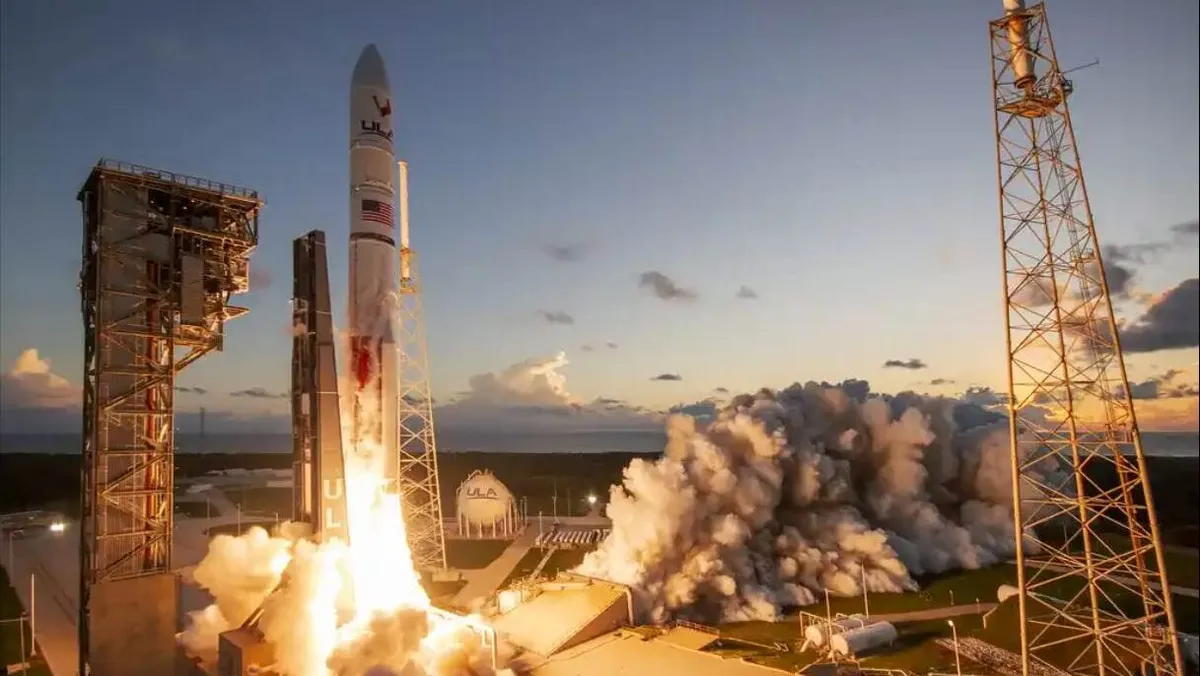
The shift concentrates GPS constellation replenishment on a single launch provider (SpaceX) at the exact moment when Iranian blockade of Hormuz and sustained missile strikes on Israeli population centers have made GPS denial a plausible Iranian objective.
If Iran targets a SpaceX launch facility or disrupts Starshield/Falcon 9 production through cyber or kinetic means, the U.S. loses the redundancy it just sacrificed by grounding Vulcan. This converts a procurement decision into a deterrence vulnerability — space-based PNT becomes an escalation target rather than a protected asset.
This is a direct consequence of operational failure, not policy choice.
ULA loses revenue on a critical national security contract while SpaceX absorbs additional manifest responsibility during a period of sustained Middle East operations that are already straining launch cadence and space-based ISR/GPS support.
The loss of Vulcan from NSSL reduces launch redundancy at a moment when U.S. military operations depend on uninterrupted GPS constellation health — Iran's blockade of the Strait of Hormuz and ongoing strikes on Israeli targets have created a contested logistics environment where space-based navigation is a single point of failure for coalition operations.
ULA's financial exposure depends on whether the grounding is resolved before other NSSL slots slip, and whether SpaceX's pricing adjusts upward given the additional load.
The article does not specify: (1) how many GPS III launches are affected, (2) the revised launch schedule, (3) whether SpaceX has the manifest capacity without delaying other national security payloads, (4) the estimated cost impact to the Air Force or ULA, or (5) the technical root cause of the Vul...
Fault Lines
Strategic intelligence, synthesized daily — with a public track record. Every call graded against what actually happened.