Ukrainian Drone Strike Destroys Pantsir System at Mariupol, Signaling Persistent Air Defense Targeting
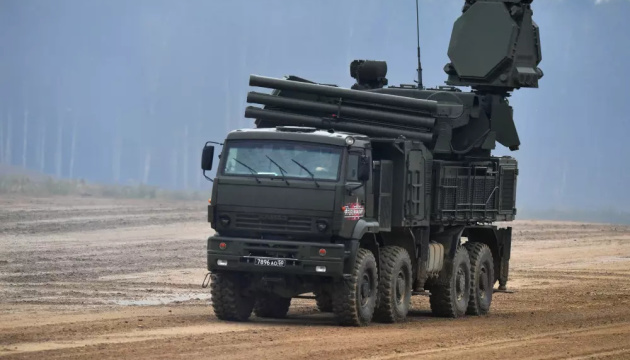
Destruction of Russian air defense systems directly expands Ukrainian strike envelope against ground targets. Each Pantsir loss removes a discrete coverage bubble, creating windows for Ukrainian helicopters, fixed-wing aircraft, and long-range drones to operate — this shifts the cost-benefit calculation for Ukrainian offensive operations in the south.
On the procurement side: if Russia cannot replace Pantsir losses at the rate of attrition, it may substitute with lower-capability systems (Tor-M2, Buk variants), which have different effective ranges and radar signatures — this cascades into allied air defense planning and intelligence collection priorities for NATO.
The strike confirms Ukraine continues targeting Russian air defense nodes despite 4+ years of attrition.
Pantsir systems are high-value targets — a single unit costs $10-15M and provides layered coverage for ground operations and logistics. If Mariupol represents a pattern of successful targeting (rather than an isolated incident), it suggests Ukrainian reconnaissance and strike capability against defended positions remains effective.
This matters for force planning: Russian air defense replacement rates and procurement timelines now directly affect Ukraine's operational freedom and allied logistics corridors. Watch whether similar strikes cluster in the next 60 days — frequency will indicate whether this is opportunistic or part of a coordinated campaign.
The article does not specify: (1) confirmation of the kill or damage level (mobility kill vs. full destruction); (2) whether this Pantsir was part of a larger air defense network and whether gaps now exist in Russian coverage; (3) the method of strike (drone type, range, guidance); (4) Russian repla...
Fault Lines
Strategic intelligence, synthesized daily — with a public track record. Every call graded against what actually happened.