UK Fast-Tracks XRC Robotics UGV Into Army Experimentation; First Accelerated Platform Procurement
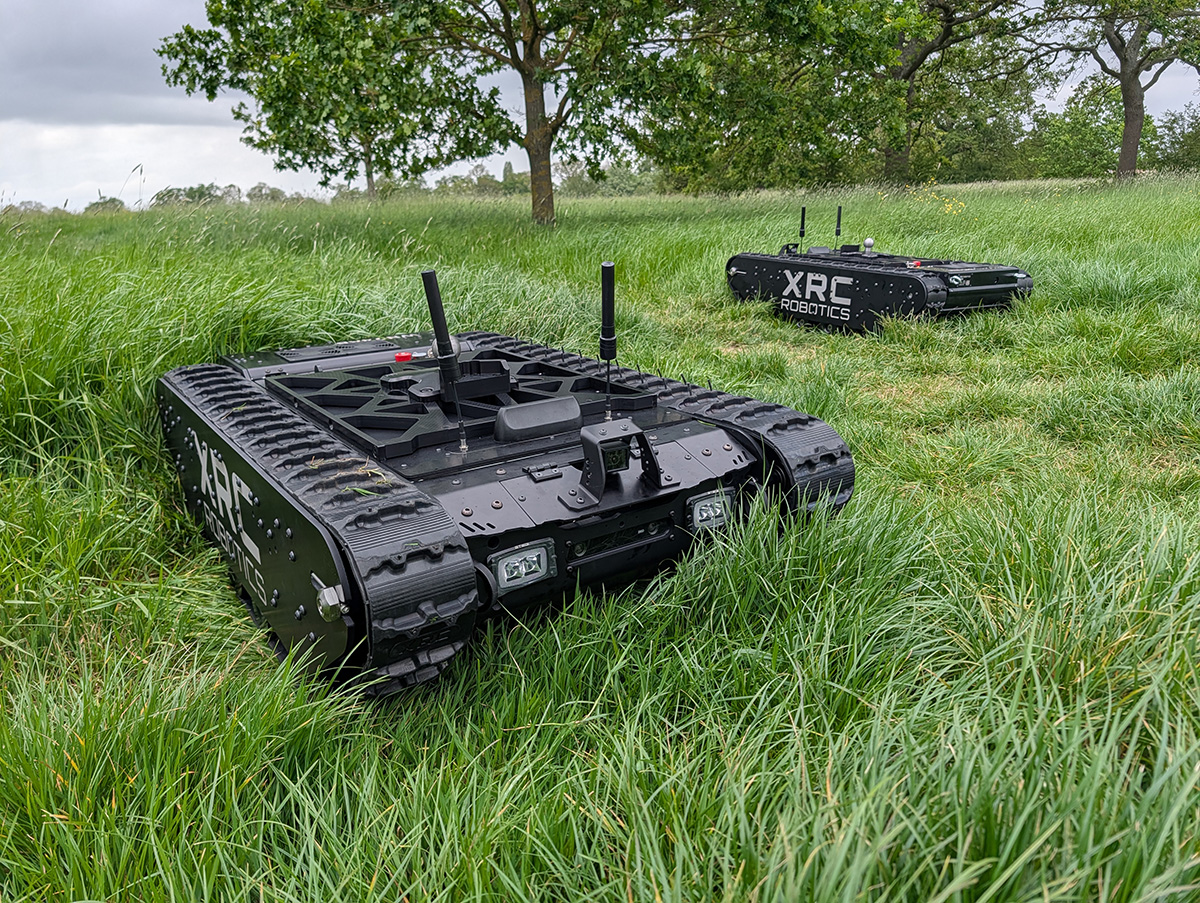
Fast-track procurement for a domestic startup suggests the UK is hedging against delays in larger allied programs (US Army's Robotic Combat Vehicle is behind schedule; DARPA's ground autonomy initiatives face funding volatility).
If XRC delivers a fieldable system within 18-24 months, the MoD gains a sovereign capability and reduces dependency on US-led platforms — a secondary benefit in the current NATO industrial surge. Conversely, if RHINO fails or underperforms in trials, the accelerated pathway becomes political liability, likely triggering reversion to longer evaluation cycles.
This signals the UK MoD is willing to compress procurement timelines for autonomous systems — a capability gap the service has acknowledged but struggled to field at scale.
The mechanism: XRC bypassed standard multi-year evaluation cycles, moving directly into operational testing. This matters because it establishes a precedent for rapid iteration on UGV platforms, which could accelerate fielding of other autonomous systems (loitering munitions, logistics robots) if the RHINO trial succeeds.
Watch whether the MoD announces a production order or expanded experimentation cohort within 12 months; that will indicate whether this is a one-off exception or the start of a new acquisition model for autonomous platforms.
What is the contract value, and does it include a transition-to-production option? The article omits dollar amounts and any indication of whether this is a limited trial or a pathway to fleet deployment.
Fault Lines
Strategic intelligence, synthesized daily — with a public track record. Every call graded against what actually happened.