Japan, Philippines Establish Working Group on Abukuma-Class Destroyer Transfer
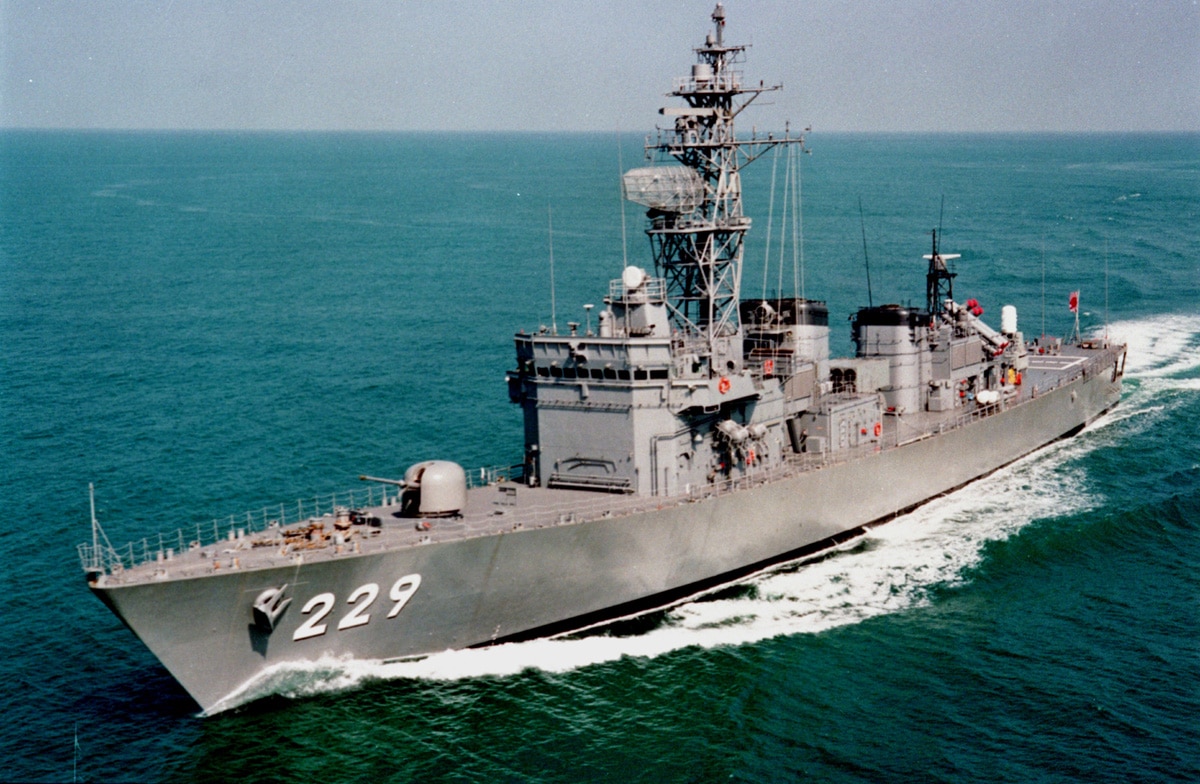
The Philippines acquiring Abukuma-class escorts directly competes with China's ability to isolate the Second Island Chain through anti-ship attrition. If the first transfer closes by 2027, the Philippines adds two air-defense frigates to a fleet that currently has no modern anti-air capability — forcing PLA planners to account for frigate SAM coverage in the Luzon Strait, not just coastal missile sites.
This also creates a template: if Japan transfers to the Philippines, expect South Korea to demand the same consideration for Korean Navy modernization, and Taiwan to argue it qualifies as an ally under the same logic. Japan's defense ministry will face pressure to justify why transfer timelines for Taiwan differ from those for Manila.
This working group signals a deliberate shift in Japan's willingness to transfer frontline naval platforms to regional allies — a move that directly addresses the Indo-Pacific escort and maritime security gap exposed by the Hormuz crisis and the South Korea HMM Namu incident.
The Philippines gains access to credible air-defense frigates without waiting for new construction timelines that now stretch 5-7 years across allied yards. For Japan's defense industrial base, this creates a precedent for used-platform transfers that can accelerate without competing against domestic JMSDF modernization budgets.
The working group timeline matters: if the group delivers a transfer framework by Q4 2026, the first Abukuma-class vessel could be operationally transferred by 2027, putting Philippine frigates on escort duty in the South China Sea within 36 months. That timeline is aggressive enough to signal allied commitment to the region during the Taiwan contingency planning cycle.
What is the actual condition and readiness level of the Abukuma-class vessels under consideration for transfer? The article does not specify which ships in the 6-vessel class are candidates or whether they require modernization work that would delay transfer.
Fault Lines
Strategic intelligence, synthesized daily — with a public track record. Every call graded against what actually happened.