China Constructs Launch Facilities at Nuclear ICBM Sites; Satellite Imagery Reveals Infrastructure Expansion
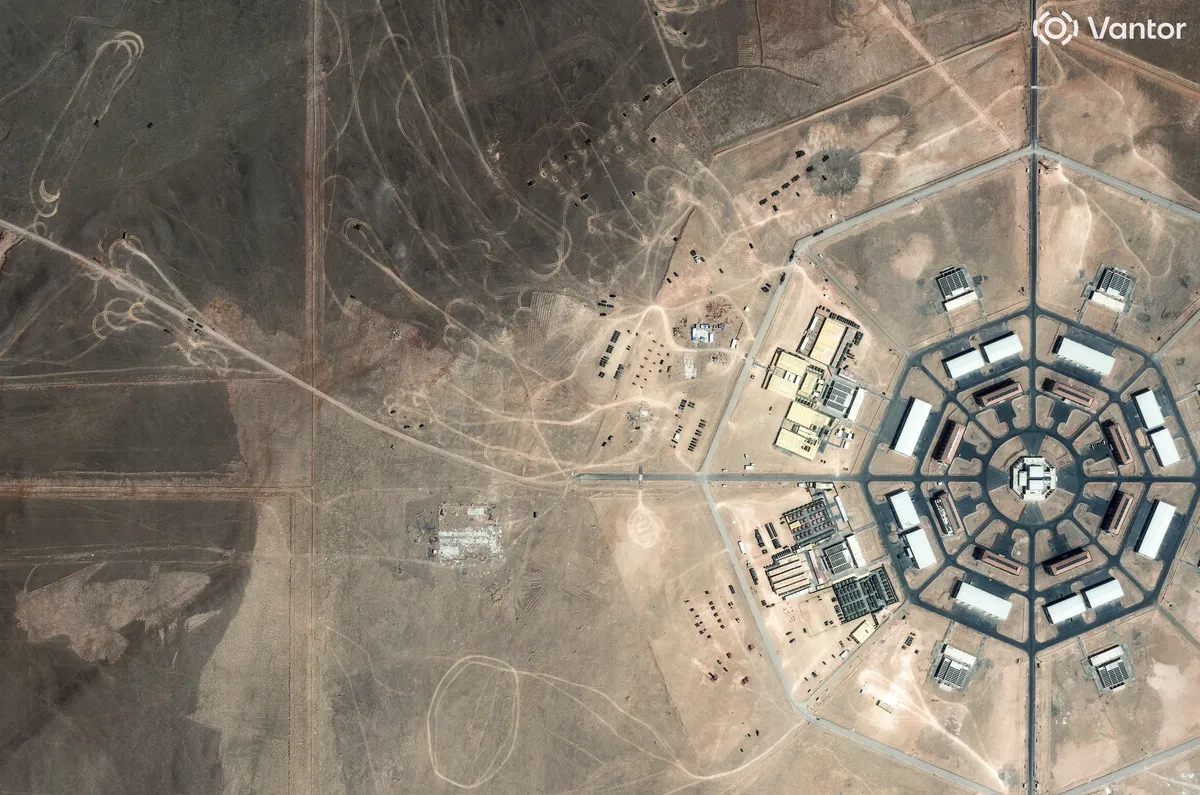
If China achieves rapid launch-on-warning capability from dispersed sites, it reduces the window for US preemption in any Taiwan crisis — a window that was already compressed.
The second-order effect: US Pacific Command loses the ability to conduct a disarming first strike and must instead plan for a damage-limitation posture, which means heavier reliance on air defense and naval layered defense rather than strike packages.
This directly intersects with the munitions replenishment timeline already flagged in the May 27 signal: if INDOPACOM must assume sustained air defense operations against Chinese missiles, the 2030-31 munitions recovery timeline becomes a hard constraint on readiness, not just an industrial planning issue.
This signals a shift in Chinese nuclear force posture toward dispersed, redundant launch infrastructure — a move that complicates US targeting assumptions and shortens decision timelines in any Taiwan contingency.
The specific mechanism: if China can launch conventional and nuclear strikes from the same dispersed network, it collapses the separation between conventional and nuclear escalation ladders, forcing INDOPACOM to assume any strike on these sites risks nuclear retaliation.
The timeline is immediate — these facilities are under construction now, which means US intelligence and war planners must update force deployment models and strike package assumptions before the infrastructure hardens. Watch whether the Defense Intelligence Agency updates its public assessments of Chinese nuclear readiness in the next National Defense Strategy review cycle (expected late 2026).
What is the actual operational status of these launch facilities — are they already functional, or still under construction? How many sites are involved, and what is the estimated timeline to full operational capability?
Fault Lines
Strategic intelligence, synthesized daily — with a public track record. Every call graded against what actually happened.