U.S.-Israel Iran War Begins Without Civilian Evacuation Warning; Americans Stranded
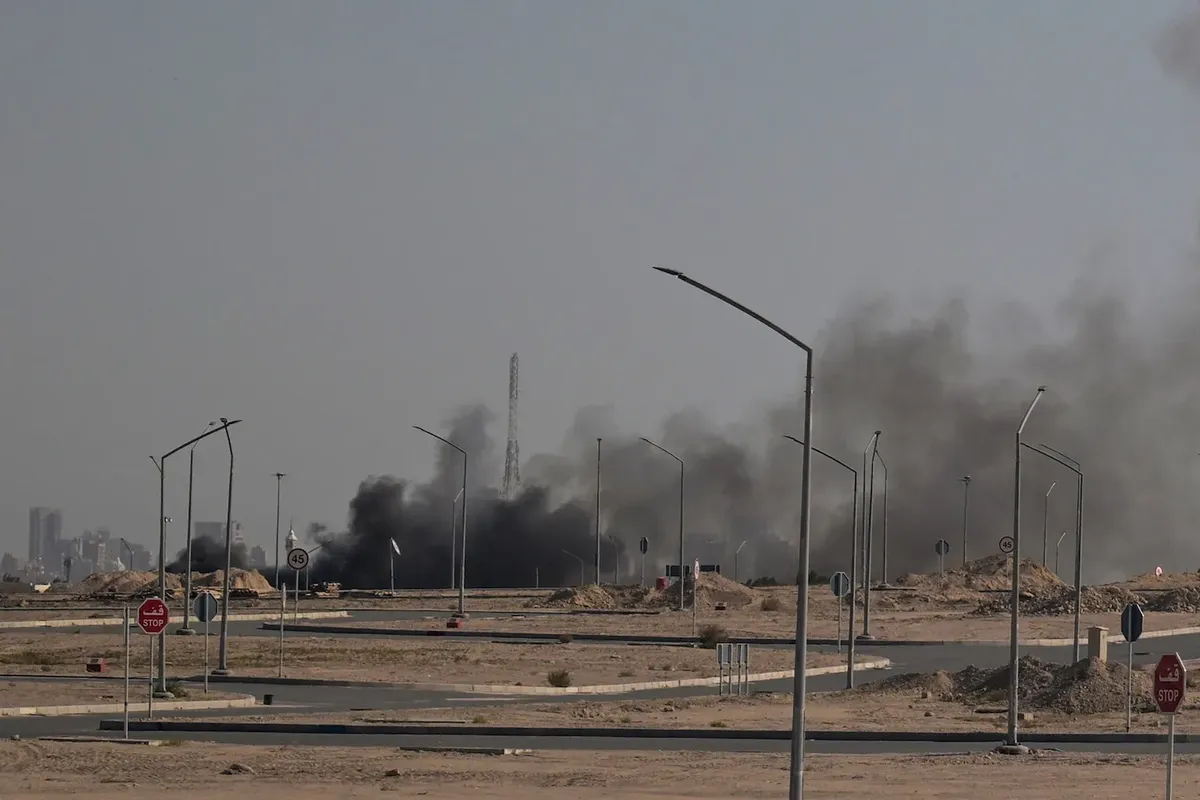
Active U.S.-Israel military operations against Iran immediately reduce force availability for other contingencies (Taiwan, Korea) and lock logistics pipelines into Middle East supply chains for the duration of the conflict. Contractor and civilian evacuations will consume airlift capacity and require naval escort for sea routes, directly competing with operational lift for munitions resupply and personnel rotation.
The operational security breakdown that allowed stranding of civilians suggests similar intelligence compartmentation may have excluded State Department and interagency planners, raising the risk of uncoordinated policy responses (sanctions escalation, diplomatic signaling) that could widen the conflict or prolong it.
Uncoordinated or delayed evacuation procedures expose defense contractors, embassy personnel, military liaison staff, and civilian workers across Middle East bases and facilities to immediate physical risk during active state-on-state combat.
This suggests either a breakdown in civilian-military coordination on operational timing, or a deliberate decision to withhold warning to preserve operational security — both carry distinct consequences for personnel safety, contractor liability, and future interagency trust.
The stranding of U.S. citizens will force emergency extraction operations, potentially diverting military assets and complicating force posture during the opening phase of a major regional conflict.
The article does not specify how many U.S. citizens are stranded, where they are concentrated (embassy, contractors, military families), whether they remain in-country or have self-evacuated, or whether the evacuation delay was intentional operational security or administrative failure.
Fault Lines
Strategic intelligence, synthesized daily — with a public track record. Every call graded against what actually happened.