UK Sanctions Four Arctic LNG 2 Shadow Fleet Tankers; First G7 Escalation on Russian LNG Exports
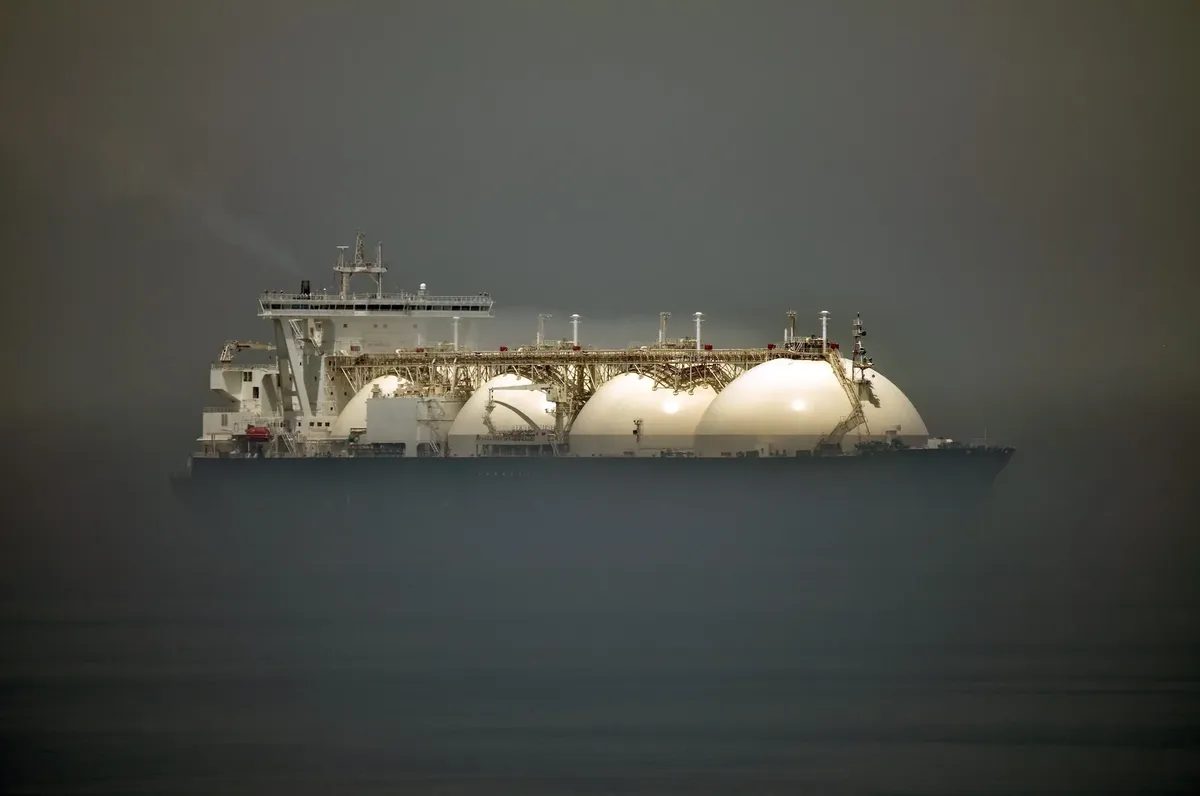
This is incremental escalation within an existing sanctions architecture, not a new mechanism. The UK has been boarding shadow tankers (see June 14 Royal Marines signal) — designating them is the next step after interdiction proves operationally effective. The real pressure point emerges if the EU follows: Arctic LNG 2 currently moves ~5 million barrels per month through shadow fleets.
A coordinated G7 sanctions wave on carrier fleets would force Russia into longer routes (around Africa instead of Suez) or accept buyers at a deeper discount, which compounds the revenue loss from the original Arctic LNG 2 sanctions.
The UK is testing whether secondary sanctions on LNG carrier fleets can constrain Russian energy revenue in ways primary sanctions on Arctic LNG 2 itself have not.
If other G7 members follow — particularly the EU, which has been reluctant to escalate energy sanctions — the cumulative effect forces Russia to either accept lower prices (selling at a 20-30% discount to spot LNG) or accept longer shipping routes and insurance costs that erode margins. The constraint is timing: Russia is actively acquiring new tonnage to replace aging vessels.
Each G7 sanction wave compresses the pool of available carriers, which tightens the window for Moscow to operationalize replacement capacity. Watch whether the EU sanctions committee acts within 30 days — if Brussels moves, expect coordinated G7 designations that target the charterers and insurers, not just the ships themselves.
Are the four sanctioned vessels already under Russian control and in service, or are they still in acquisition/refurbishment? The article does not specify whether these are operational or in-transit assets, which determines whether the sanction disrupts current flows or future capacity.
Fault Lines
Strategic intelligence, synthesized daily — with a public track record. Every call graded against what actually happened.