Pakistan Airstrikes on Kabul Escalate Taliban Border Conflict, Test Regional Stability
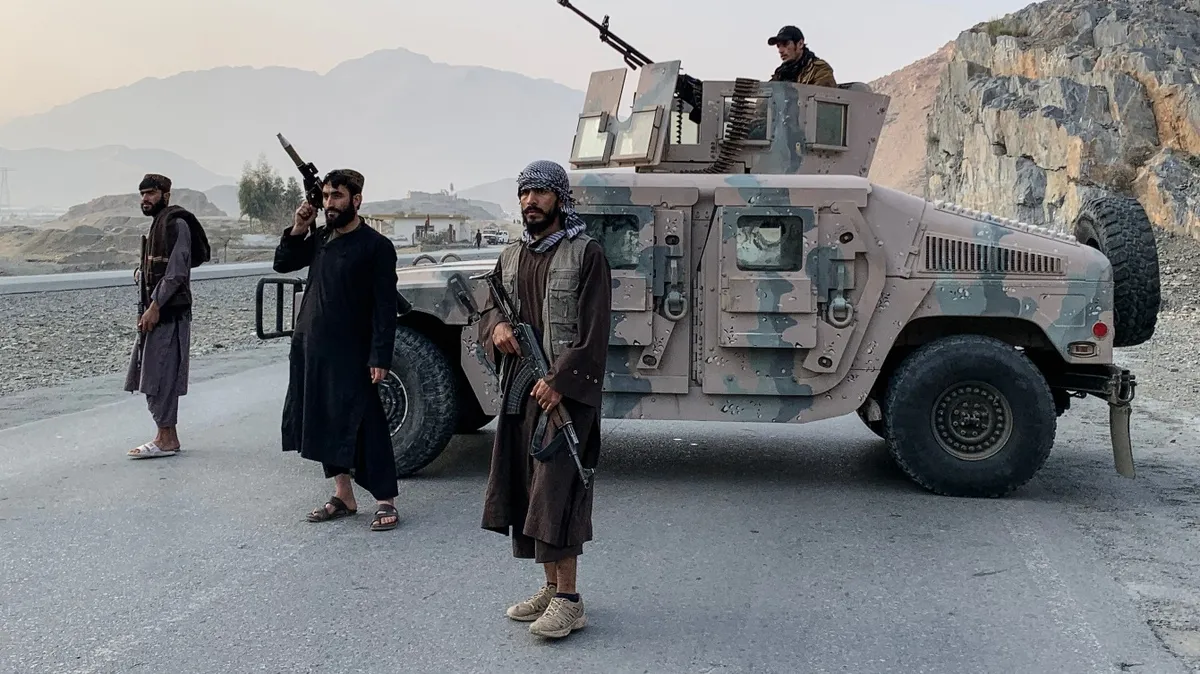
Pakistani airstrikes that go unanswered erode Taliban state capacity and create a precedent for unilateral cross-border military action, which could embolden other regional actors (Iran, Tajikistan) to conduct similar operations and fragment Afghan territorial control further.
This directly constrains U.S. counterterrorism options in Afghanistan — the more the Taliban is weakened by external pressure, the less reliable it is as a de facto partner against ISIS-K and al-Qaeda, forcing the U.S. to rely on intelligence assets and over-the-horizon strike capability rather than ground cooperation.
This is the first confirmed Pakistani air campaign against Taliban-controlled Afghan territory in years, signaling breakdown of tacit restraint that has held since the Taliban's 2021 takeover.
The immediate driver is border security — Pakistan faces sustained TTP (Tehrik-i-Taliban Pakistan) attacks launched from Afghan sanctuaries, and the Taliban government has shown limited ability or willingness to police its own territory. For defense planners: this creates a new contingency variable in South Asian force planning.
Pakistan will likely sustain cross-border operations if casualties continue, forcing the Taliban to either suppress TTP activity (domestically costly) or absorb further strikes (undermining state legitimacy).
The U.S. has no direct stake in this conflict but must monitor whether escalation destabilizes Afghanistan enough to create ungoverned space that attracts non-state actors beyond TTP — ISIS-K, al-Qaeda affiliates, or transnational criminal networks. If confirmed that 228 is accurate, this represents a significant single-day attrition claim; if inflated, it signals Pakistani domestic messaging over military precision.
The article does not specify which targets were struck, whether civilian casualties occurred, what Taliban response is planned, or whether Pakistan coordinated with any external actor (including the U.S.). No confirmation of the 228 casualty figure from independent sources or Taliban statements.
Fault Lines
Strategic intelligence, synthesized daily — with a public track record. Every call graded against what actually happened.