Sahel Fragmentation: AES-ECOWAS Split Erodes Counterterrorism Coordination
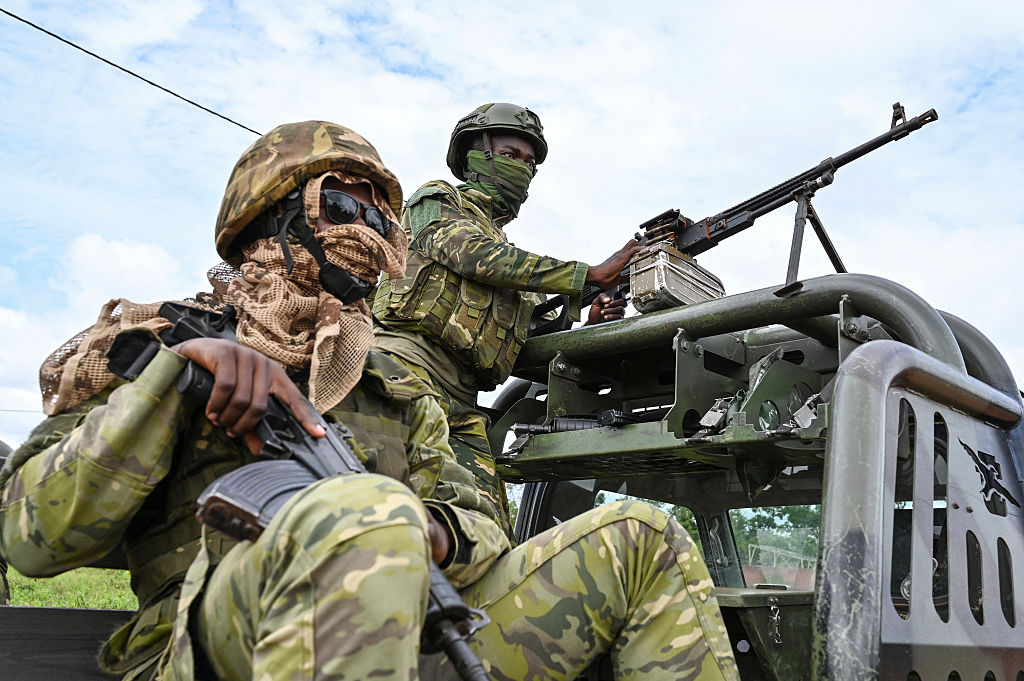
Power Projection: Fragmented command structures reduce the effective reach and speed of counterterrorism operations, creating safe havens for militant regrouping. Geopolitical Friction: The split reflects deeper alignment shifts—AES states have reduced French and U.S. influence in favor of Russian and Turkish military partnerships, narrowing Western intelligence access and complicating joint planning.
These are separate pillars but linked by the same institutional rupture.
The fracture creates a coordination vacuum at precisely the moment when counterterrorism pressure is highest.
ECOWAS provided a formal mechanism for intelligence sharing, joint operations planning, and cross-border pursuit — tools that the newer AES framework has not yet demonstrated it can replicate at scale. U.S. and French counterterrorism partnerships (already strained by Mali and Burkina Faso's pivot toward Russian military support) now face a fragmented partner landscape with no unified command structure.
This delays response to cross-border militant movement and complicates logistics for any external support. The immediate risk: armed groups operating in the seam between AES and ECOWAS territories (southern Mali, northern Côte d'Ivoire, Benin) face fewer interdiction points.
If AES member states lack the institutional maturity or technical capacity to conduct joint operations—a significant if—this gap persists for 18+ months while new protocols are negotiated.
The article does not specify which terrorist organizations are actively exploiting the split, whether AES has articulated a counterterrorism coordination mechanism, or whether ECOWAS members (Nigeria, Ghana, Côte d'Ivoire) are attempting parallel arrangements to fill the void.
Fault Lines
Strategic intelligence, synthesized daily — with a public track record. Every call graded against what actually happened.