US Approves $2B Counter-Drone Sale to Kuwait After Iranian Strikes; Gulf Procurement Accelerates
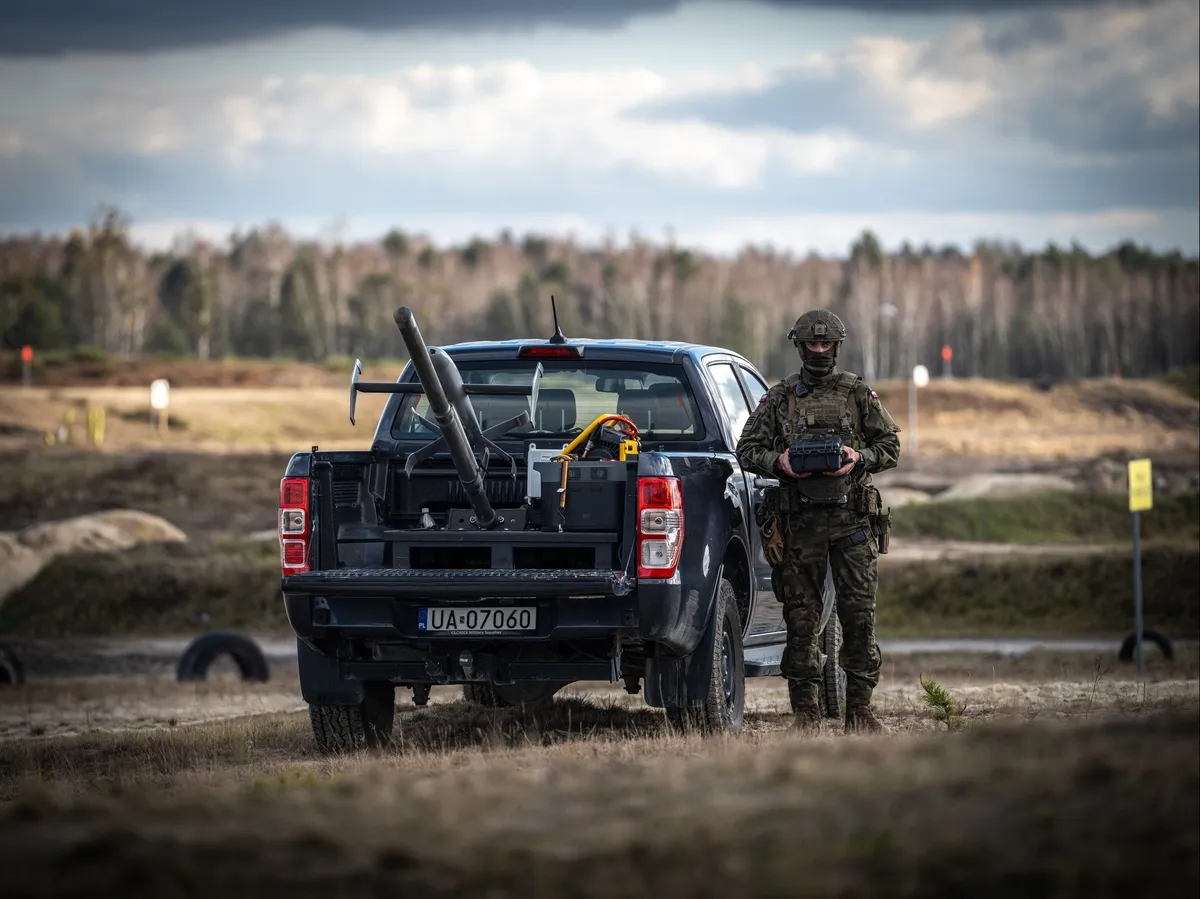
The timing is not coincidental. Iran's June 10 strikes on Jordan and Bahrain exposed the vulnerability of Gulf air space to coordinated drone and missile attacks. Kuwait, which hosts the largest U.S. military logistics hub in the region, faces asymmetric threat escalation.
If Anduril's counter-UAS systems deliver on schedule (2027-2028), Kuwait gains a credible denial layer that reduces dependence on U.S. air cover — but that assumes production doesn't slip. The deeper issue: every allied counter-UAS order now competes for the same constrained manufacturing base.
The White House meeting with defense CEOs will either unlock new production capacity or force a zero-sum prioritization among Taiwan, Korea, Poland, and the Gulf. Kuwait's $2B sale may be the first visible pressure point.
Kuwait's $2B counter-drone commitment signals that Gulf states are now absorbing the cost of their own layered air defense rather than relying on U.S. presence alone — a shift that forces the Pentagon to recalculate force-posture requirements in the region.
Anduril wins a beachhead in the Gulf counter-UAS market, but the real constraint is production capacity: Anduril's existing backlog already stretches delivery timelines to 2028-2029, and a $2B order will compete with domestic U.S. Air Force and Navy demand for the same manufacturing line.
Watch whether the White House convenes defense CEOs (as signaled on June 11) to explicitly prioritize allied counter-UAS production, or whether Kuwait's delivery timeline slips into 2030.
Did the State Department approval include any conditions on Anduril's production roadmap, or is this a standard FMS case? If Anduril can't accelerate output, which allied order gets deprioritized — Kuwait's counter-UAS, Taiwan's drone defense, or INDOPACOM's Pacific requirements?
Fault Lines
Strategic intelligence, synthesized daily — with a public track record. Every call graded against what actually happened.