US Air Superiority Enables Shift to Precision Strikes Deeper Into Iran
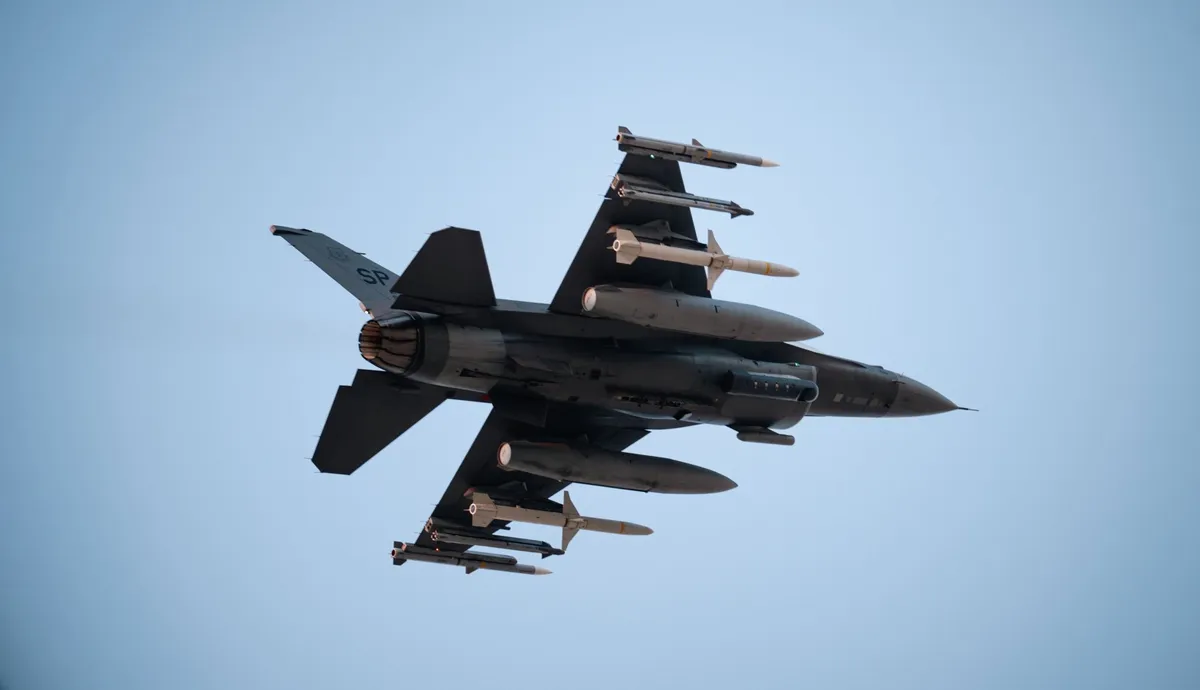
Sustained air superiority reduces the marginal cost of each strike, enabling higher tempo operations that accelerate depletion of Iranian military infrastructure — but this tempo is constrained by aircraft availability and pilot fatigue, not munition supply. If air defenses are not fully eliminated, attrition will force a return to standoff munitions, narrowing the operational window.
The shift also signals that US planners expect to maintain control of the airspace through at least March 5-6, which determines whether follow-on strikes can target dispersed mobile systems (Shahab TELs, IRGC command nodes) or only fixed facilities.
This confirms a tactical transition within an ongoing conflict rather than a new escalation phase.
The shift from expensive standoff munitions (cruise missiles, stand-off air-launched cruise missiles) to precision-guided bombs reduces per-strike cost and increases sortie density, but only because air defenses have already been degraded — a fact already reported March 2-3.
For defense contractors, this favors precision-guided munition producers (Raytheon, L3Harris on laser/GPS guidance packages) over long-range standoff suppliers (Raytheon, Lockheed on cruise missiles).
The tactical implication is that US planners now have sustained targeting depth, enabling strikes on dispersed or hardened targets previously beyond reach — but this depends on continued air superiority maintenance, which requires ongoing SEAD/EW sorties and exposes aircraft to remaining air defenses and ground-based threats.
The article does not specify which Iranian targets are now within reach, how many air defense systems remain operational, or how long the Pentagon assesses air superiority can be maintained without attrition to US/allied aircraft.
Fault Lines
Strategic intelligence, synthesized daily — with a public track record. Every call graded against what actually happened.