Senate Panel Pushes Air Force to Rebuild MQ-9 Fleet to Pre-2023 Levels by 2028
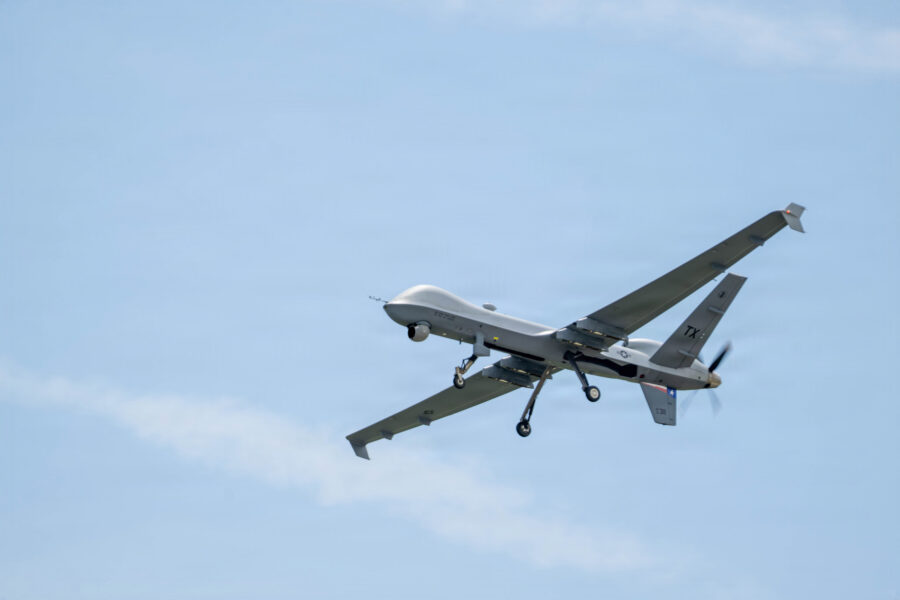
This reflects a real tension in the drone-versus-fighter debate. If CENTCOM and INDOPACOM both demand sustained MQ-9 presence (24/7 loiter over Hormuz, Taiwan Strait), the Air Force cannot meet that demand with current inventory while rotating F-35 squadrons. General Atomics has capacity headroom — they produced 400+ airframes annually pre-pandemic — but the Senate mandate forces a prioritization call.
Watch whether the Air Force counters with a production-rate study showing the cost-per-airframe impact of accelerated builds, which typically runs $5-8M per additional unit when you account for supply-chain acceleration.
The Senate is forcing a production and sustainment decision on the Air Force that conflicts with current inventory management and budget priorities.
If the Air Force commits to rebuilding the fleet to pre-2023 levels, it must either reprogram funding from fighter procurement (F-35, F-15EX) or request supplemental authority — both politically difficult paths. The timeline matters: 2028 is 24 months away, and MQ-9 production at General Atomics requires 18-24 months lead time for airframe and sensor integration, meaning the decision window closes by Q4 2026.
How many MQ-9s did the Air Force lose or retire between 2023 and 2026, and what is the current fleet size? The article doesn't specify the baseline for 'pre-2023 levels' or the rebuild target number.
Fault Lines
Strategic intelligence, synthesized daily — with a public track record. Every call graded against what actually happened.