F-15EX Kadena Deployment Slips to 2027; 36-Aircraft Arrival Extends Into 2028
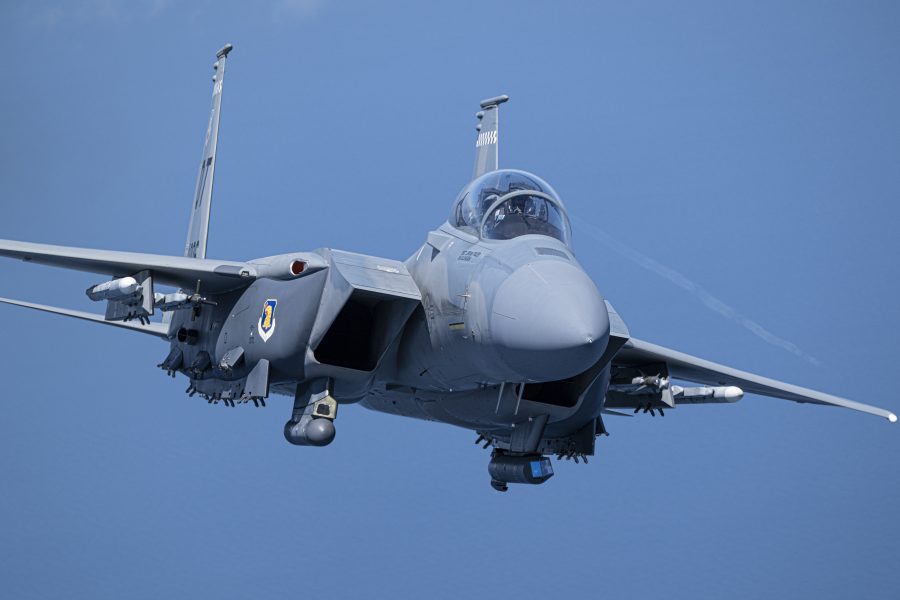
The delay exposes a deeper constraint: Boeing's F-15EX production line cannot sustain the delivery cadence the Air Force promised. If Kadena — a priority forward-deployed base — is slipping into 2027-2028, then the domestic fighter fleet modernization is also under pressure.
This likely forces the Air Force to stretch sustainment contracts on existing F-15C/E airframes longer than planned, tying up maintenance dollars that should flow to newer platforms.
INDOPACOM loses a year of operational readiness against the Taiwan Strait contingency window.
Kadena is the primary forward hub for Pacific air operations; the F-15EX's advanced radar and range are designed to counter PLA fighter density in the 2026-2028 timeframe. A 12-month slip means the base operates with legacy F-15C/E inventory through 2027, exactly when the Pentagon expects maximum PLA pressure on Taiwan.
Watch whether INDOPACOM requests emergency backfill from Okinawa-based F-35 rotations or accelerates the Guam beddown timeline to compensate.
Did production delays at Boeing drive the slip, or did INDOPACOM reprioritize Kadena's timeline for other commitments? The article does not specify the cause.
Fault Lines
Strategic intelligence, synthesized daily — with a public track record. Every call graded against what actually happened.