Ukraine Strikes Russian Baltic Oil Ports Third Time in Five Days; 2M Barrels Daily Export Capacity at Risk
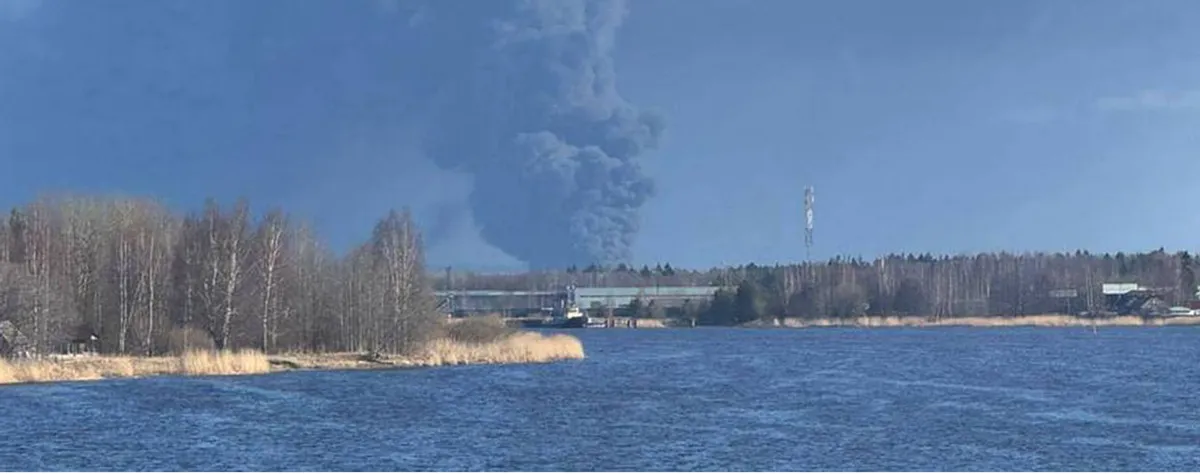
Ukraine's targeting of Russian energy export infrastructure directly compresses Russia's ability to fund wartime procurement and sustain military operations.
As Russian defense production accelerates (per prior signals on Iranian hardliner nuclear pursuit and US wartime PrSM production), Russia's access to crude export revenue determines whether it can purchase critical inputs (electronics, rare earths, machine tools) from neutral suppliers in Central Asia and the Middle East.
Port degradation forces Russia to either accept lower margins on rerouted exports or reduce hard-currency spending on military inputs—creating a supply-side constraint on Russian force regeneration that operates independently of Western sanctions.
The acceleration and repetition of strikes on Russia's primary Baltic oil export infrastructure suggests Ukraine is pursuing sustained damage to Russian energy revenue rather than one-off disruption.
If Ukraine achieves persistent degradation of export capacity at these two ports, Russia loses a critical hard-currency source and faces pressure to reroute exports via longer, costlier Arctic or Asian routes—compressing margins during wartime production demands.
The strike pattern also indicates Ukraine has developed reliable targeting and delivery capability against defended Russian strategic infrastructure 800+ km from Ukrainian territory, a technical shift that expands the set of Russian assets now operationally vulnerable.
For energy markets, sustained port outages could tighten global crude supply; India's recent decision to increase Russian oil purchases (per prior Fault Lines signal) depends partly on port availability.
The article does not specify the extent of damage at either port, whether export operations have resumed, or the timeline for repairs. Without knowing whether the fires caused temporary shutdowns or structural damage requiring months of reconstruction, the revenue impact cannot be quantified.
Fault Lines
Strategic intelligence, synthesized daily — with a public track record. Every call graded against what actually happened.