Indonesia Offers Iran Mediation After U.S.-Israel Strikes, Expanding Diplomatic Footprint
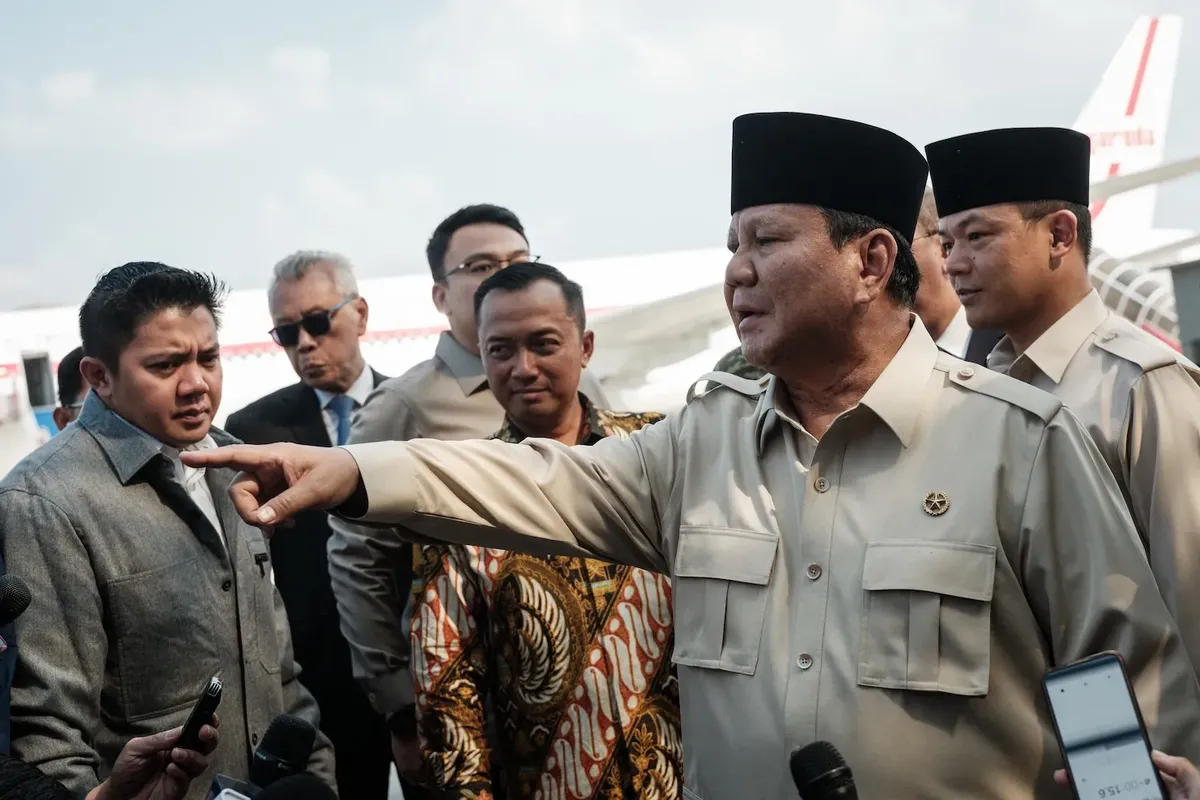
If Indonesia frames mediation as a precondition for continued U.S. military access to Indonesian ports and airspace (notably Surabaya and Makassar), it could force U.S. Central Command to route carrier strike group logistics through longer, less efficient corridors, increasing operational cost and reducing surge capacity in the Persian Gulf.
Conversely, if the mediation fails and Indonesia is seen as having sided with Iran rhetorically, it may accelerate U.S. efforts to deepen military partnerships with Australia, Japan, and South Korea—shifting Indo-Pacific naval architecture away from Southeast Asian chokepoints.
Prabowo's mediation offer has limited direct bearing on U.S. defense procurement or allied capability, but it does reflect Indonesia's strategic bet that diplomatic positioning yields geopolitical leverage.
If accepted by any party, it could delay or complicate U.S./Israeli operational planning by introducing a third-party negotiation track — though the article provides no evidence that Tehran or Washington view the offer as credible.
The real signal is Indonesia's willingness to engage Iran directly at a moment of acute U.S.-Iran tension, which may constrain U.S. military operations in the Strait of Malacca and surrounding waters if Jakarta perceives mediation as conflicting with U.S. interests. Defense planners should monitor whether this offer shifts Indonesia's posture on regional freedom of navigation or intelligence-sharing with U.S.
Pacific Command.
The article does not specify whether the U.S., Israel, or Iran have responded to the offer, whether Prabowo has formal backing from his cabinet or parliament, or what specific terms he is proposing.
Fault Lines
Strategic intelligence, synthesized daily — with a public track record. Every call graded against what actually happened.