Malaysia and Singapore Probe Nvidia Chip Re-exports; Singapore Charges Individual Over 917 AI Servers
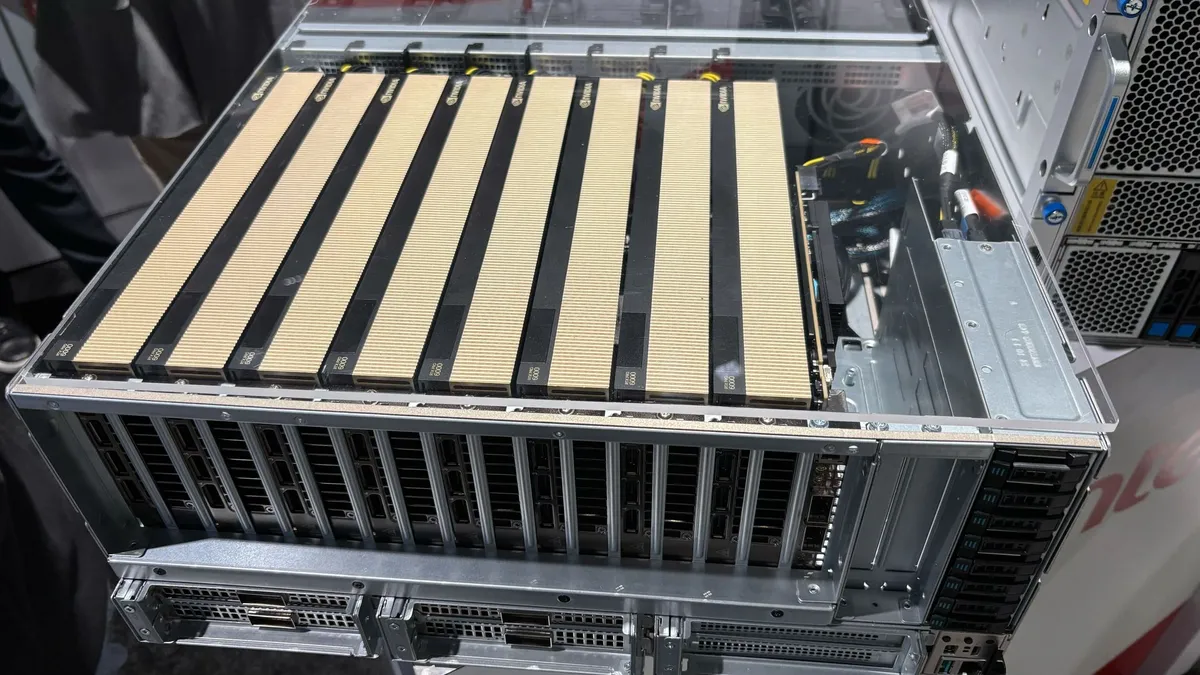
If Malaysia's investigation produces evidence of systematic re-export through local intermediaries, the Commerce Department's Bureau of Industry and Security will need to decide whether to expand the Validated End-User program requirements across ASEAN or rely on bilateral enforcement cooperation — a slower mechanism that has already failed to stop the flows this probe is now documenting.
The firm's self-initiated audit also creates a paper trail that US investigators can subpoena, which means the audit itself may accelerate rather than contain the legal exposure.
Singapore's criminal charge over 917 servers is the first enforcement action to emerge from the regional probe cluster that followed Jensen Huang's resignation, and it gives prosecutors a named defendant and a specific transaction to build from.
Malaysia's parallel investigation means two of the region's largest transshipment hubs are now active enforcement fronts simultaneously, which raises the cost of using Southeast Asia as a re-export corridor for restricted Nvidia hardware. The inventory audit the firm announced is the next checkable event: if it surfaces discrepancies, US Commerce will face pressure to add the firm to the Entity List.
Does the Singapore charge name the end-destination of the 917 servers — specifically whether they were destined for a Chinese entity on the US restricted list — or does the indictment rest solely on the purchase irregularities?
Fault Lines
Strategic intelligence, synthesized daily — with a public track record. Every call graded against what actually happened.