TSMC Renewable Energy Pivot Exposes Taiwan Power Grid Constraint as AI Chip Demand Strains Capacity
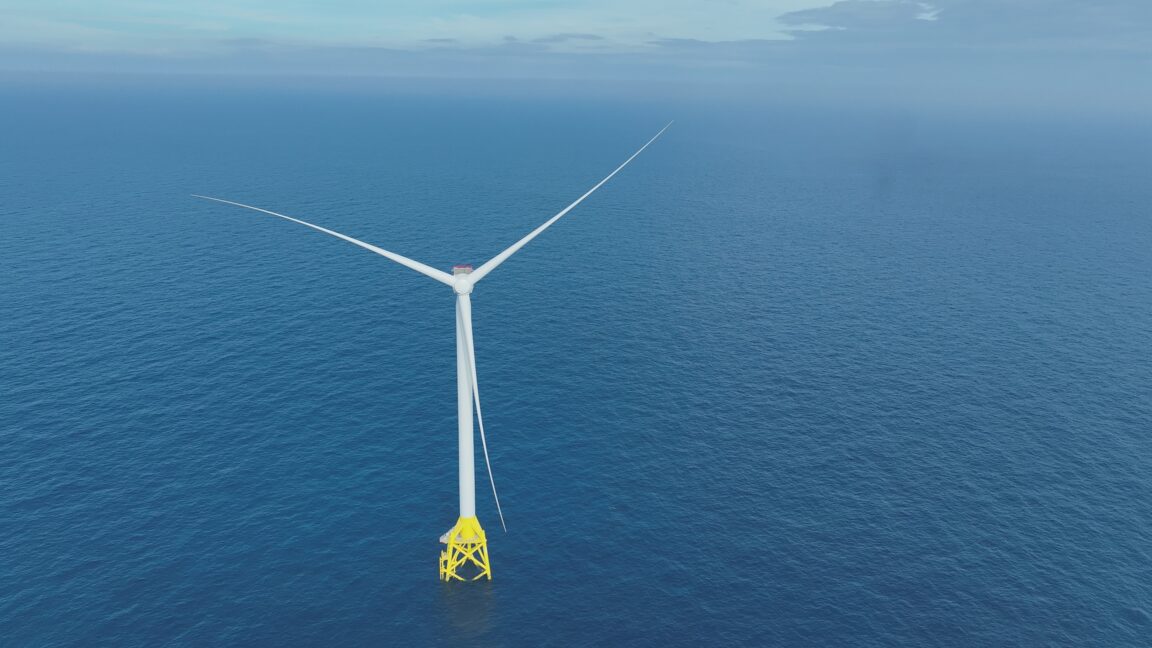
This is a supply-chain bottleneck masquerading as an energy story. TSMC cannot expand fab output beyond what Taipower can deliver. If Taipower's grid reaches saturation before new renewable capacity comes online, TSMC will allocate wafer starts to existing customers (Apple, Nvidia, AMD) and deprioritize new military/defense orders.
Lockheed Martin, RTX, and Northrop Grumman — all dependent on TSMC for advanced node chips for radar, signal processing, and autonomous systems — will face allocation delays. The constraint is not money or technology; it is electrons. A six-month grid shortage in Taiwan translates to a six-month slip in F-35 radar modernization, AEGIS upgrades, and hypersonic guidance systems.
Taiwan's semiconductor export capacity — the single largest input to US and allied AI infrastructure — now depends on power availability that the island's grid operator cannot guarantee.
TSMC's renewable pivot is not strategic preference; it is necessity. If Taiwan's grid fails to expand capacity in parallel with fab demand, TSMC will be forced to ration production or delay node transitions, directly constraining US access to advanced chips for military AI systems, commercial cloud infrastructure, and allied defense primes.
The timeline is immediate: AI workload demand is already outpacing grid expansion, and renewable projects (wind, solar) take 18-36 months to come online. Watch whether Taiwan's government approves emergency grid investment in the FY2026 supplemental budget (expected May-June 2026).
What is TSMC's actual power deficit today — the gap between current grid supply and fab demand? The article cites renewable procurement but not the underlying shortage magnitude. Is Taiwan's grid operator (Taipower) projecting a capacity shortfall for 2027-2028, and if so, by how many gigawatts?
Fault Lines
Strategic intelligence, synthesized daily — with a public track record. Every call graded against what actually happened.