Air Force Requests Industry Capability Data on 1,000+ ERAM Production; 3-Month Delivery Timeline Proposed for Ukraine
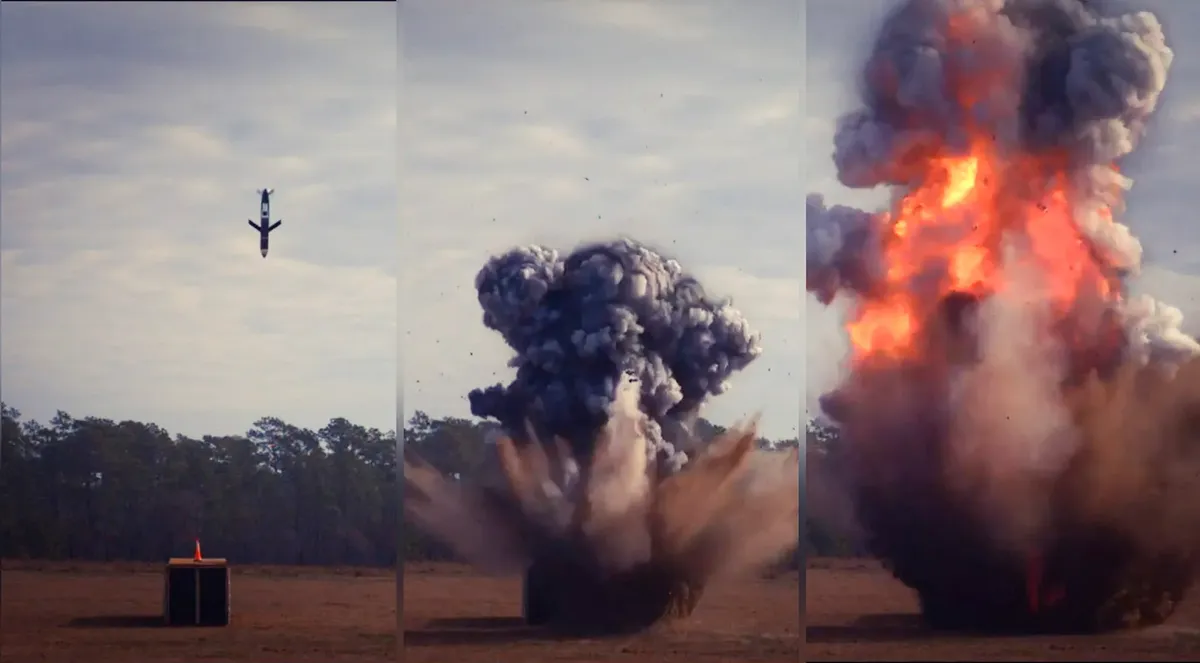
The three-month first-delivery window is not a negotiating position — it is a constraint imposed by active depletion. Ukraine's August 2025 purchase of 3,350 ERAMs was meant to sustain two years of operations at current burn rate; if the Pentagon is now asking for 1,000 more units with a 15-month completion deadline, the burn rate has accelerated by roughly 40%.
This is the clearest evidence yet that the Iran war is draining U.S. inventory faster than domestic production can replace it.
Ukraine's ERAM inventory is burning faster than the Pentagon anticipated, and the three-month production deadline exposes a hard constraint: only contractors with existing 500-pound missile lines can bid credibly.
Zone 5 Technologies and CoAspire demonstrated prototypes in January 2026, but neither has the factory footprint to deliver 1,000 units in 15 months without partnering with a prime. If Raytheon or Northrop Grumman wins the contract, they will have to retrofit existing production capacity — the alternative is a new line, which eats the entire 15-month timeline.
Watch the contract award in late November; if it goes to a small company, production will slip past Q2 2027 and Ukraine faces a gap in standoff capability.
Has the Air Force identified a production partner or facility capable of 1,000-unit delivery in 15 months, or is the RFI deadline a signal that no existing contractor can meet the timeline?
Fault Lines
Strategic intelligence, synthesized daily — with a public track record. Every call graded against what actually happened.