Germany Integrates Ukrainian Defense Manufacturing Into EU Supply Chains; Signals Industrial Decoupling From US
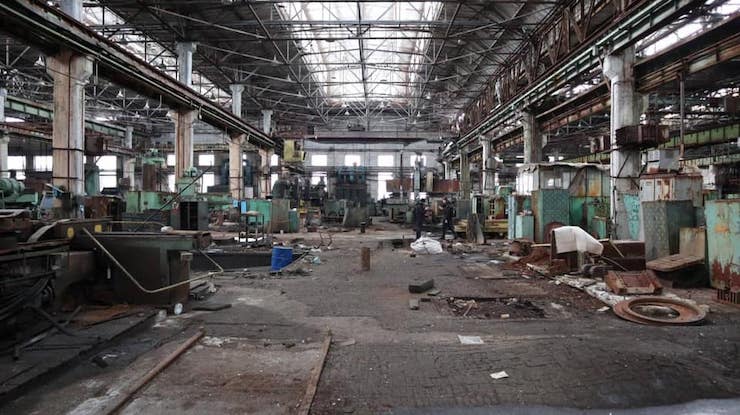
Germany's integration of Ukrainian factories into EU supply chains converts the Ukraine conflict from a NATO burden-sharing dispute into a European industrial strategy.
By anchoring Ukrainian production to European supply networks, Germany reduces the leverage the US holds over allied defense procurement—allies can now source critical munitions and systems from EU-integrated capacity rather than relying on US industrial throughput or political approval.
This directly competes with the Trump administration's 43% defense budget increase and threat-based trade leverage (the UK trade deal threat on April 15), which depend on allied dependence on US capacity.
This operationalizes the European defense autonomy signaled in the April 15 Germany defense coalition announcement.
By anchoring Ukrainian production capacity into EU supply chains rather than NATO/US-led integration, Germany reduces allied dependence on US industrial capacity and creates a structural alternative to transatlantic procurement.
The timing—simultaneous with NATO Secretary-General Rutte's call for $60B additional Ukraine aid and Germany's earlier Patriot/air defense package—suggests Europe is building dual-track support: direct military aid to sustain Ukrainian operations, plus industrial integration to create post-conflict production leverage.
This matters for US defense primes (RTX, Lockheed, GD) if European allies begin sourcing next-generation systems from EU-integrated suppliers rather than US firms, and for Ukraine policy if European industrial commitment signals a longer-term European security umbrella independent of US commitment duration.
The article does not specify which Ukrainian factories are being integrated, what production categories (ammunition, vehicles, electronics, drones) are targeted, or what capital investment Germany is committing.
Fault Lines
Strategic intelligence, synthesized daily — with a public track record. Every call graded against what actually happened.