Australia 2026 Defence Strategy Locks Submarine, Frigate Spending Amid Hormuz Closure
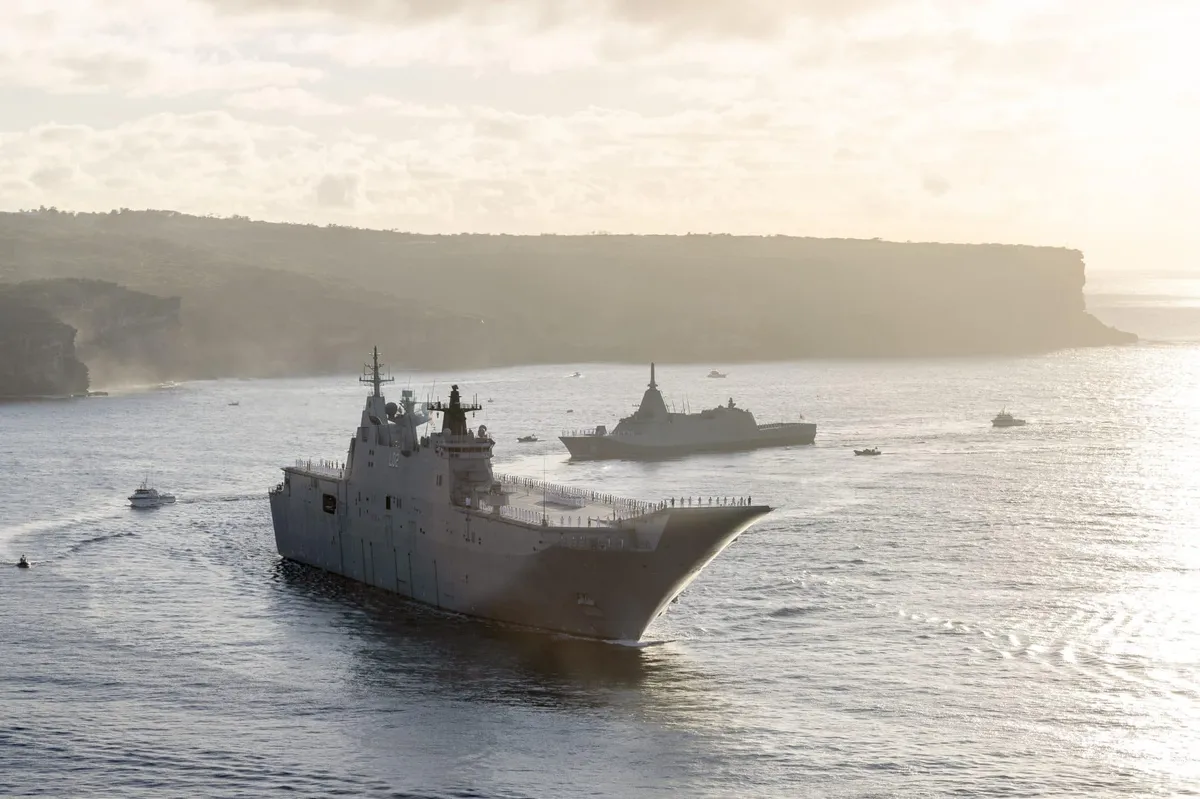
A hardened Hormuz closure forces Australia to choose between energy security (LNG imports from Qatar/Australia's own exports) and naval power projection in the Indian Ocean.
If Australia commits new capital to submarines and frigates without simultaneously securing alternative energy routes or LNG stockpiles, it is betting that US power will reopen the strait within 18-24 months — the timeframe for new naval platform delivery. If that bet fails and the blockade persists into 2027-28, Australia faces energy rationing while its new platforms are still in LRIP.
Australia is locking capital into surface and subsurface naval platforms precisely when the Hormuz closure demonstrates the vulnerability those platforms are meant to address.
The timing is not coincidental — the strategy responds to the live conflict scenario now unfolding. However, the article provides no budget figures, timeline specifics, or which submarine/frigate programs received priority funding. Without those details, we cannot assess whether Australia is accelerating procurement timelines or merely reaffirming existing plans.
The risk: if this is a restatement of existing FYDP rather than a new acceleration, it signals Canberra is accepting the current Hormuz crisis as manageable within current force posture — a dangerous assumption if the blockade hardens into a 12+ month standoff.
Does the IIP accelerate submarine delivery dates, or does it simply confirm the existing Attack-class and Hunter-class schedules? If no acceleration, why publish now rather than wait for the Hormuz situation to stabilize?
Fault Lines
Strategic intelligence, synthesized daily — with a public track record. Every call graded against what actually happened.